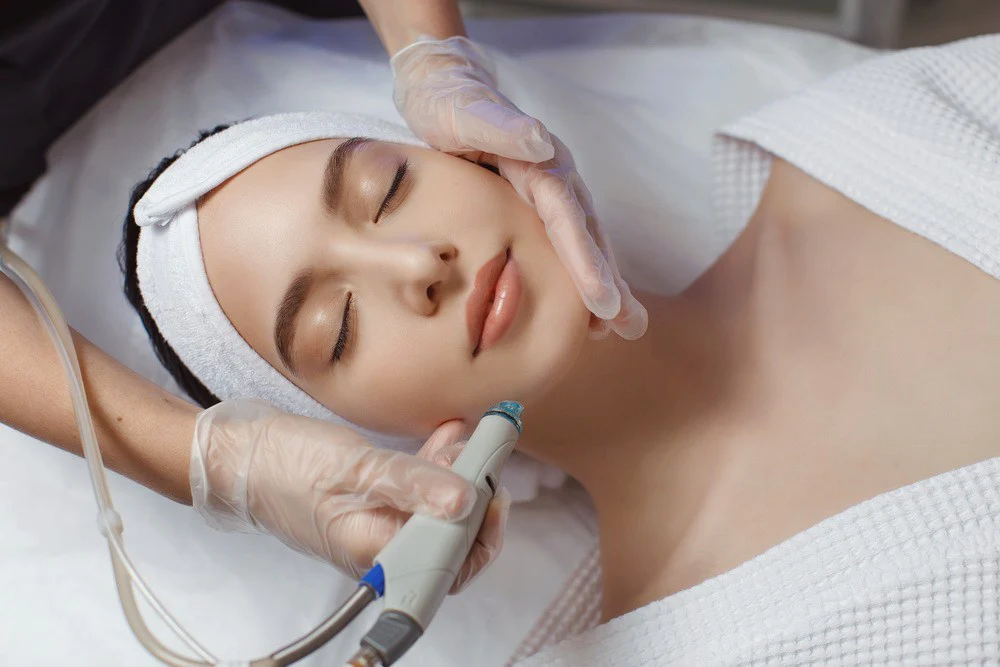
Pcmuz Health & Fitness 좋은 마사지로 통증 완화

좋은 마사지로 통증 완화

허리 통증은 집안일을 하는 것을 방해하기 때문에 치명적일 수 있습니다. 무언가를 집어 올리려고 몸을 구부릴 때마다 통증이 심해지고 얼마 동안 움직이지 못하게 됩니다. 하루 종일 누워서 휴식을 취한 후에 하루의 다른 활동을 하는 것은 불가능합니다. 때로는 밀어야 합니다. 하지만 과도하게 하면 통증이 심해질 수 있습니다. 이 통증을 없애는 데 도움이 되는 방법이 있을까요? 다행히도 시도해 볼 수 있는 해결책이 하나 있습니다. 많은 사람들이 이를 선택했고 그로부터 이익을 얻었습니다. 해결책은 좋은 몰타 마사지입니다.

연구에 따르면, 좋은 마사지는 통증이 지속적이고 몇 년 동안 지속되더라도 통증을 없애는 데 도움이 될 수 있습니다. 좋은 마사지사는 신체의 압력 지점이 어디인지 알고 있습니다. 그들은 통증을 단번에 없애기 위해 얼마나 많은 압력을 가해야 하는지 잘 알고 있습니다. 신체 부위마다 다른 유형의 마사지가 있다는 것을 알고 계셨나요? 마사지를 생각할 때마다 전신 마사지를 떠올립니다. 통증에서 벗어나기 위해 반드시 전신 마사지를 받을 필요는 없습니다. 신체의 특정 부위에 대한 마사지를 선택할 수도 있습니다.

몰타 마사지를 신청하기 전에 마사지사와 꼭 상의하세요. 마사지사에게 당신이 겪고 있는 통증의 종류와 통증에 적합한 마사지의 종류를 말하세요. 그들은 전문가이고 우리보다 더 잘 알고 있기 때문에 그들의 제안을 따르는 것이 중요합니다. 그들의 제안에 따라 마사지 세션을 예약해야 합니다. 두 개 이상의 세션이 필요하다고 생각되면 쉽게 여러 개를 예약할 수 있습니다. 선택할 수 있는 마사지의 수에 제한은 없습니다.

귀하의 도시에서 임대 스파가 어디인지 알아보세요. 두 가지 이유 때문에 잘 정립된 스파를 방문하는 것이 중요합니다. 마사지를 수행하는 데 필요한 인프라가 있고 인증된 전문가가 근무하고 있습니다. 인증된 마사지사는 훈련을 받은 사람입니다. 그는 또는 그녀는 마사지를 올바른 방법으로 수행하는 기술을 알고 있습니다. 그럼 무엇을 기다리고 계십니까? 오늘 온라인에서 검색하세요. 오늘 마사지사와 이야기하고 지금 바로 세션을 예약하세요. 이번 주말에 마사지를 받으면 다음 주가 시작될 때 훨씬 기분이 나아질 것입니다. 신체를 돌보는 것이 중요합니다. 통증과 건강 문제가 즉시 해결되도록 해야 합니다. 이에 대해 어떻게 생각하십니까? 의견 섹션에 의견을 공유하세요. 여러분의 의견을 듣고 싶습니다. 그리고 오늘 몰타 마사지를 선택하는 것을 잊지 마세요.

몰타에서 마사지를 받으러 갈 때 무엇을 찾아야 할까요? 마사지는 긴장을 풀고 이완하는 데 도움이 됩니다. 하지만 마사지의 최대 이점을 얻으려면 올바른 것을 선택하는 것이 중요합니다. 꼭 해야 한다는 이유만으로 마사지를 선택하지 마세요. 마사지를 예약하기 전에 의사나 물리 치료사와 상의하세요. 심부 조직 마사지, 전신 마사지, 머리 마사지, 목과 어깨 마사지, 발 마사지, 반사 요법 마사지 등 다양한 유형의 마사지가 있습니다. 어떤 유형의 마사지에 관심이 있습니까? 일반적인 마사지를 원하시면 목과 어깨 마사지나 발 마사지를 선택하세요.

몰타의 목과 어깨 부달 는 바쁜 직장인에게 이상적입니다. 거의 모든 직장인은 매일 컴퓨터 앞에서 8~10시간을 보냅니다. 따라서 어깨와 목의 통증은 매우 흔합니다. 우리의 앉아서 지내는 삶이 이것의 원인입니다. 따라서 몰타에서 목과 어깨 마사지를 선택하면 필요한 완화를 얻을 수 있습니다. 마사지사가 어깨와 목을 문지르면 모든 통증이 몸에서 사라집니다. 운동이 끝나면 편안하고 재충전된 느낌을 받을 것입니다. 통증이 없기 때문에 컴퓨터 앞에 앉아 일할 때 어떤 종류의 불편함도 느끼지 못할 것입니다. 하지만 이 마사지만으로는 충분하지 않다는 점을 명심하세요. 어깨에 과도한 압력이 가해지지 않도록 적절한 컴퓨터 테이블에 투자해야 합니다.

Related Post

What is a Functional Behavior Assessment?What is a Functional Behavior Assessment?

Imagine a life where every small milestone—like brushing teeth, preparing a meal, or communicating feelings—becomes a stepping stone toward greater independence. For individuals with developmental, behavioral, or learning challenges, these everyday skills don’t always come naturally. But there is a proven, structured, and life-changing approach that can help: Behavior Analysis Therapy.

Whether you are a parent seeking support for your child, a caregiver striving to improve quality of life, or a professional exploring practical therapies, Behavior Analysis Therapy offers more than treatment—it provides empowerment. It focuses on breaking down complex tasks into achievable steps, reinforcing positive behaviors, and reducing barriers to daily functioning.

Now, think about this: how would life look if your child could independently tie their shoes, complete homework without meltdowns, or learn effective ways to communicate? How would it feel if challenging behaviors became less frequent, replaced by positive habits that improved family harmony and individual confidence? These are not distant dreams—they’re realistic goals with Applied Behavior Analysis (ABA) techniques. And in regions like ABA therapy Canada, families are finding access to structured programs that deliver these results.

In this comprehensive guide, we’ll explore what Behavior Analysis Therapy is, how it works, its practical applications in daily living, and why it is transforming lives across the globe. You’ll also learn actionable tips, insights, and resources to get started—whether you’re seeking ABA therapy Canada or beyond.


What is Behavior Analysis Therapy?

Behavior Analysis Therapy, often known as Applied Behavior Analysis (ABA), is a scientific approach that studies how behavior works, how it is affected by the environment, and how learning takes place. It is grounded in decades of research and widely used to improve socially significant behaviors.

At its core, ABA breaks down complex skills into smaller, teachable steps. Each step is reinforced through positive feedback, leading to meaningful and lasting changes. While it is most famously used in supporting individuals with autism spectrum disorder (ASD), its applications extend far beyond autism, including:

  • Skill development in children and adults

  • Behavior modification for attention and focus

  • Support for individuals with ADHD, anxiety, or learning disorders

  • Rehabilitation and independent living skills for adults

In regions offering ABA therapy Canada, families often seek out certified practitioners to design customized programs that address individual needs.


The Core Principles of ABA Therapy

To understand how Behavior Analysis Therapy transforms lives, it’s important to explore its fundamental principles:

1. Positive Reinforcement

Behaviors followed by a rewarding outcome are more likely to occur again. For example, if a child successfully uses words to request water and receives praise or the drink itself, they are motivated to repeat the behavior.

2. Antecedent-Behavior-Consequence (ABC) Model

  • Antecedent: What happens before the behavior (e.g., being asked a question).

  • Behavior: The action (e.g., answering the question).

  • Consequence: What follows (e.g., receiving acknowledgment or reward).

3. Task Analysis

Breaking down complex tasks into smaller, manageable steps. For example, brushing teeth can be divided into: picking up the brush, applying toothpaste, brushing upper teeth, brushing lower teeth, rinsing, etc.

4. Data-Driven Decisions

Therapists track progress and adjust strategies based on measurable data, ensuring interventions are effective.

5. Generalization

Skills learned in therapy sessions are applied to real-world settings. For example, a child who learns to greet people during therapy will practice the same skill at school or in the community.


Benefits of Behavior Analysis Therapy in Daily Living

Behavior Analysis Therapy offers life-changing benefits when applied to everyday routines. Here’s how it improves daily living:

Enhancing Independence

From dressing and bathing to preparing meals, individuals gain confidence in completing tasks independently.

Improving Communication

Nonverbal individuals may learn to use pictures, sign language, or speech devices, while verbal individuals improve conversational skills.

Reducing Problem Behaviors

Challenging behaviors like aggression, tantrums, or self-harm can be replaced with safer, more appropriate alternatives.

Strengthening Social Skills

Through structured practice, individuals learn how to make friends, share, and engage in group activities.

Supporting Education

ABA strategies are often used in classrooms to enhance focus, participation, and academic achievement.

Families accessing ABA therapy Canada often report a higher quality of life as these practical benefits translate into smoother routines at home, school, and in the community.


Applications of Behavior Analysis Therapy in Daily Living

Daily Routines at Home

  • Morning routines: Teaching children to get dressed, brush teeth, and pack school bags.

  • Chores: Step-by-step training for tasks like folding laundry or washing dishes.

  • Bedtime routines: Creating calming strategies to prepare for sleep.

School and Learning Environments

  • Enhancing focus on lessons.

  • Encouraging classroom participation.

  • Reducing disruptive behavior.

Social and Community Participation

  • Practicing greetings, conversations, and polite requests.

  • Building confidence in public settings like grocery stores or restaurants.

Health and Safety Skills

  • Learning to cross the road safely.

  • Practicing hygiene habits like handwashing.

  • Recognizing emergency situations and responding appropriately.

Employment and Vocational Training

  • Job readiness skills such as punctuality, following instructions, and teamwork.

  • Training in specific workplace tasks.

These applications demonstrate why many families consider ABA therapy Canada an essential service for building practical skills that last a lifetime.


ABA Therapy and Autism: A Strong Connection

While ABA has diverse applications, its most recognized role is in supporting individuals with autism. Here’s why:

  • Early intervention leads to greater independence and social functioning.

  • ABA focuses on communication, social skills, and reducing repetitive or harmful behaviors.

  • Therapy is tailored to each child’s unique abilities and challenges.

In countries like Canada, government funding programs often support families seeking ABA therapy Canada, recognizing its proven impact on individuals with autism.


The Process of Starting ABA Therapy

If you’re considering Behavior Analysis Therapy, here’s what to expect:

Step 1: Assessment

A Board-Certified Behavior Analyst (BCBA) conducts a thorough evaluation of strengths, challenges, and goals.

Step 2: Goal Setting

Goals may include improving communication, daily living skills, or reducing challenging behaviors.

Step 3: Individualized Program Design

Therapists create a tailored plan based on the individual’s unique needs.

Step 4: Therapy Sessions

These may take place at home, school, or a clinic, depending on the program.

Step 5: Progress Monitoring

Data is collected regularly to track improvement and adjust strategies.

Families accessing ABA therapy Canada often find reassurance in the structured and transparent process of implementation.


Challenges and Misconceptions about ABA

Despite its effectiveness, there are misconceptions about ABA therapy:

  • Misconception 1: ABA is only for autism.

    • In reality, it benefits anyone struggling with behavior, learning, or daily living skills.

  • Misconception 2: ABA is rigid.

    • Modern ABA emphasizes individualized, flexible, and compassionate approaches.

  • Misconception 3: ABA replaces parenting.

    • Instead, ABA empowers parents and caregivers by involving them in therapy.

Addressing these misunderstandings ensures families considering ABA therapy Canada make informed decisions.


Role of Families and Caregivers in ABA

Family involvement is a cornerstone of success. Caregivers learn strategies to:

  • Reinforce skills outside of therapy.

  • Create consistent routines.

  • Use positive reinforcement at home.

This partnership ensures skills generalize to real-world settings, making therapy outcomes sustainable.


Accessing ABA Therapy in Canada

For families seeking ABA therapy Canada, here are key points:

  • Many provinces offer funding or subsidies for ABA services, especially for children diagnosed with autism.

  • Programs are available in schools, private clinics, and through community health services.

  • Wait times and funding amounts vary by region, making early inquiry essential.

Parents should look for certified professionals (BCBA or registered therapists) to ensure high-quality care.


Future of Behavior Analysis Therapy

As research continues, Behavior Analysis Therapy is expanding its reach:

  • Integration with technology (apps, virtual reality, online therapy).

  • Wider recognition of its benefits beyond autism.

  • Growth of programs like ABA therapy Canada, increasing accessibility for families nationwide.


Conclusion

Behavior Analysis Therapy is more than a treatment—it’s a pathway to independence, confidence, and improved quality of life. By breaking down barriers and teaching practical skills, ABA empowers individuals to thrive in daily living. Families accessing ABA therapy Canada benefit from structured, evidence-based support that changes lives in tangible, lasting ways.

If you’re a parent, caregiver, or professional considering options, know this: behavior can be shaped, skills can be learned, and meaningful progress is possible. The key is taking that first step toward support.

With dedication, professional guidance, and family involvement, Behavior Analysis Therapy has the power to turn everyday challenges into opportunities for growth.

Oral Probiotics: Enhancing Oral Wellness And Overall Wellness NaturallyOral Probiotics: Enhancing Oral Wellness And Overall Wellness Naturally


Oral probiotics have gained considerable care in Holocene epoch old age due to their potentiality to better both oral health and superior general well-being. These beneficial microorganisms, when introduced into the mouth, help to poise the oral microbiome and keep the giantism of unwholesome bacteria. While most probiotics are known for their positive effects on gut wellness, rising explore shows that oral probiotics can be just as operational in maintaining a healthy speak up, offering a cancel option to traditional oral care products.

The human being mouth off is home to a different lay out of bacterium, some of which are necessary for maintaining oral hygiene. However, an imbalance in this micro-organism environment can lead to commons dental problems such as cavities, gum , and bad intimation. Factors like poor diet, smoking, strain, and short oral hygiene can interrupt the balance of the oral microbiome, allowing harmful bacteria to flourish. This is where oral probiotics come in. By introducing beneficial bacteria, they help restore musical harmony in the oral pit, combating the deadly bacteria that contribute to these conditions.

One of the primary benefits of oral probiotics is their power to help prevent cavities and tooth decompose. Cavities fall out when vesicant bacterium in the mouth make acids that wear away tooth . Oral probiotics can subdue the increment of these acid-producing bacteria, reduction the risk of cavities and promoting a healthier oral . Additionally, certain probiotic strains can stir up the production of saliva, which helps to wash away food particles and neutralise pestilent acids, further protecting the teeth.

Gum , or odontology disease, is another green write out that oral probiotics can help prevent. Gum disease occurs when baneful bacteria build up on the gums, leadership to inflammation, hemorrhage, and, if left untreated, tooth loss. Probiotics such as Lactobacillus reuteri and Streptococcus salivarius have been shown to reduce the add up of pathogenic bacterium responsible for for gum , promoting healthier gums and reduction redness. Regular use of oral probiotics can lead to a lessen in the risk of gum infections, making them an fantabulous addition to any oral hygienics subprogram.

Bad breath, or halitosis, is another refer that can be mitigated with oral probiotics. Halitosis is often caused by the product of sulphur compounds by bacterium in the utter. Oral probiotics can help by competing with the odor-causing bacteria, reduction their numbers pool and neutralizing the compounds responsible for for offensive hint. This cancel relieve offers a long-term root to bad breath, unlike temporary fixes such as mouthwashes, which only mask the symptoms.

Beyond oral wellness, prodentim probiotics may also contribute to overall wellness. Research has shown that oral health is intimately linked to general wellness, with poor oral hygiene being associated with conditions such as spirit disease, diabetes, and respiratory infections. By maintaining a sound balance of bacterium in the utter, oral probiotics may help tighten the risk of these conditions and better overall wellness. Probiotics are believed to have anti-inflammatory properties that can gain the body in various ways, including supporting the immune system of rules and reduction degenerative inflammation.

Incorporating oral probiotics into a daily subprogram is simpleton and favourable. They are available in a variety show of forms, including chewable tablets, lozenges, utter sprays, and probiotic-infused toothpaste. While they are generally well-advised safe for most individuals, it is better to consult with a healthcare provider before start any new probiotic regime, especially for people with underlying health conditions or compromised immune systems.

In ending, oral probiotics typify a likely, cancel approach to enhancing oral health and overall well-being. By support a balanced oral microbiome, they help prevent dental consonant issues such as cavities, gum , and bad breath. As search continues to research their full potential, oral probiotics could become an necessary part of oral care, offer a holistic solution to maintaining both a healthy verbalise and body.

The Rising Trend of Medical Beauty: Transforming Aesthetics with Advanced TechnologiesThe Rising Trend of Medical Beauty: Transforming Aesthetics with Advanced Technologies

In the past decade, there has been a paradigm shift in how we approach beauty and self-care. People are increasingly turning to medical beauty to enhance their appearance, address skin issues, and restore a youthful glow, all without the need for invasive surgery. This trend combines the best of both worlds—advanced medical technologies and beauty treatments that deliver natural-looking, long-lasting results.

The ultherapy industry has grown exponentially, offering non-surgical, minimally invasive treatments that promise noticeable improvements with minimal downtime. From wrinkle reduction to fat sculpting, medical beauty has revolutionized the way we think about aesthetic enhancement, offering a more accessible and personalized approach to looking and feeling good. This article will explore the surge in popularity of medical beauty, the benefits of various treatments, and the future of this rapidly evolving field.

What is Medical Beauty?

At its core, medical beauty refers to a range of aesthetic treatments that are performed by medical professionals, such as dermatologists, plastic surgeons, or specially trained aesthetic practitioners. These treatments are often less invasive than traditional cosmetic surgery and are designed to improve the appearance of the skin, face, and body.

Medical beauty uses cutting-edge technologies and techniques to deliver more permanent, effective results compared to conventional beauty treatments. Common procedures include injectables like Botox and dermal fillers, laser therapies, and body contouring treatments. While they are not permanent solutions, they often provide longer-lasting and more immediate results than over-the-counter beauty products.

Why is Medical Beauty So Popular?

The growing appeal of medical beauty can be attributed to a number of factors that reflect the changing attitudes toward beauty and self-care. Here are a few key reasons behind its rise:

1. Non-Invasive Options

Traditional cosmetic surgeries such as facelifts or tummy tucks often involve significant downtime, high risks, and visible scarring. On the other hand, non-invasive treatments like Botox injections or CoolSculpting offer safer, quicker, and less costly alternatives. The appeal lies in the ability to achieve real, visible results with minimal recovery time.

2. Natural-Looking Enhancements

One of the main appeals of medical beauty is the ability to achieve natural, subtle changes. Many people no longer desire dramatic, "overdone" results and prefer treatments that enhance their natural features. For example, Botox can smooth out fine lines without affecting facial expressions, while dermal fillers can add volume to areas like the cheeks and lips, creating a youthful yet balanced look.

3. Technological Advancements

The field of medical beauty has benefited from continuous advancements in technology. New and improved lasers, injectables, and body contouring devices allow for more precise and effective treatments. These innovations make it possible to address a wide variety of cosmetic concerns, from skin pigmentation and acne scars to stubborn fat areas that resist diet and exercise.

4. Accessibility

Medical beauty treatments are increasingly accessible. As demand for these procedures grows, more professionals are offering services, and costs are becoming more competitive. Social media has also played a role in increasing awareness, with people sharing their experiences and before-and-after photos, normalizing these treatments and making them more approachable for the general public.

Popular Medical Beauty Treatments

The field of medical beauty covers a broad range of treatments, each designed to target specific concerns. Some of the most popular and effective options include:

1. Botox and Neurotoxin Injections

Botox is a household name when it comes to non-surgical wrinkle reduction. This injectable treatment works by temporarily relaxing the muscles responsible for causing wrinkles, particularly around the forehead, eyes, and mouth. Botox results are noticeable within a few days, and the effects typically last 3 to 6 months.

Other neurotoxins, such as Dysport, Xeomin, and Jeuveau, work similarly and are often used for the same purposes. They are safe, quick treatments that deliver subtle yet significant improvements.

2. Dermal Fillers

Dermal fillers are used to restore volume to areas of the face that have lost fat or elasticity due to aging or genetics. Fillers such as Juvederm, Restylane, and Radiesse are commonly used to plump up the cheeks, smooth out wrinkles, enhance the lips, and restore under-eye volume. Unlike Botox, which focuses on muscle activity, dermal fillers target volume loss and are made from materials like hyaluronic acid, which naturally occurs in the skin.

The results are immediate and can last anywhere from several months to a few years, depending on the type of filler used and the area treated.

3. Laser Skin Resurfacing

Laser treatments have become increasingly popular for addressing skin imperfections like acne scars, pigmentation, sun damage, and fine lines. Fractional CO2 lasers and Erbium lasers work by targeting specific layers of the skin with concentrated light, promoting collagen production and skin renewal.

One of the major benefits of laser treatments is their ability to treat multiple skin concerns at once while improving overall texture, tone, and firmness. Results may take a few days to appear, but they can be long-lasting.

4. Chemical Peels

Chemical peels use acid solutions to exfoliate the skin, removing dead skin cells and revealing a smoother, brighter complexion underneath. Depending on the depth of the peel, the treatment can address mild concerns like dull skin and acne or more severe issues like deep wrinkles or hyperpigmentation.

Peels can vary from mild to deep, with the stronger varieties requiring a few days of downtime for healing. Regardless of strength, chemical peels are effective in brightening the skin and improving texture.

5. CoolSculpting (Fat Freezing)

CoolSculpting is a non-invasive procedure designed to reduce localized fat deposits in areas like the abdomen, thighs, and flanks. By freezing fat cells, CoolSculpting allows the body to naturally eliminate them over time. This treatment is especially effective for people who have stubborn fat that doesn’t respond to diet or exercise.

Results can take a few months to fully manifest, and many patients opt for multiple sessions to achieve their desired outcome.

6. Microneedling

Microneedling, or collagen induction therapy, uses small needles to create tiny punctures in the skin. This stimulates the body’s healing response, triggering collagen and elastin production. Microneedling is often used to treat acne scars, fine lines, and uneven skin texture.

For enhanced results, microneedling is sometimes combined with Platelet-Rich Plasma (PRP) therapy, also known as the Vampire Facial, which uses the patient’s own blood to promote healing and rejuvenation.

Benefits of Medical Beauty

The benefits of medical beauty treatments extend beyond just aesthetic enhancement. Here are some of the key advantages:

1. Non-Surgical, No Downtime

The primary appeal of medical beauty is that these treatments are non-invasive, meaning they do not require cuts, stitches, or lengthy recovery periods. Most procedures have little to no downtime, allowing patients to return to their normal activities almost immediately.

2. Customizable Solutions

Each person’s skin and body are unique, and medical beauty treatments can be tailored to individual needs and goals. Whether it’s smoothing wrinkles, restoring facial volume, or contouring the body, treatments can be adjusted to suit the specific concerns of the patient.

3. Long-Lasting Results

While these treatments are not permanent, the results tend to last longer than many traditional beauty treatments, such as skincare products or facials. For example, Botox typically lasts 3 to 6 months, while dermal fillers can last from 6 months to 2 years, depending on the type used.

4. Immediate Results

Many medical beauty treatments deliver visible improvements almost immediately. For example, Botox results appear within a few days, and dermal fillers provide instant volume restoration. This makes medical beauty treatments a popular choice for people looking for quick fixes.

The Future of Medical Beauty

As the medical beauty industry continues to grow, new technologies and techniques are constantly being developed. Future innovations may include even more personalized treatments driven by advances in genetic research, AI-powered diagnostics, and biotechnology. The rise of at-home beauty devices, such as handheld lasers and microneedling tools, is also likely to make medical beauty more accessible and convenient for people who prefer treatments in the comfort of their own homes.

In the years to come, we can expect the medical beauty field to become more sustainable, with a focus on biocompatible products and eco-friendly practices, while also continuing to improve in safety, effectiveness, and affordability.

Conclusion

The rise of medical beauty marks a significant shift in the way people approach self-care and aesthetics. Combining cutting-edge technology with expert techniques, these non-surgical treatments offer individuals the ability to enhance their appearance with minimal risk and downtime. As the industry continues to innovate, medical beauty promises even greater possibilities for those seeking a youthful, confident look. Whether you’re looking to smooth wrinkles, contour your body, or rejuvenate your skin, medical beauty provides a wide range of treatments that cater to your needs, allowing you to look and feel your best.

Early Warning Signs of Teen Mental Health IssuesEarly Warning Signs of Teen Mental Health Issues

You might notice some changes in your teen’s behavior that raise concerns. They may withdraw from friends or lose interest in activities they once loved. Mood swings could become more intense, and academic performance might start to slip. These signs can be unsettling, but understanding them is crucial. What do these shifts really mean for their mental health? Exploring this can help you better support your teen during this challenging time.

Recognizing Behavioral Changes in Teens

When you notice your teen acting differently, it’s crucial to pay attention. Changes in behavior can be red flags for underlying mental health issues. You might observe them withdrawing from friends, losing interest in activities they once loved, or experiencing sudden mood swings.

Maybe they’re more irritable or anxious than usual, or perhaps they’re struggling with schoolwork. These shifts can indicate something deeper going on. Don’t dismiss these signs as typical teenage behavior; they could signal a need for support.

Engage your teen in open conversations, and encourage them to share what’s on their mind. By recognizing these behavioral changes early, you can help them navigate their feelings and seek the assistance they might need.

Understanding Mood Swings and Emotional Distress

Mood swings and emotional distress are common during adolescence, but understanding their intensity and frequency is key. You might notice that your teen experiences highs and lows that seem disproportionate to situations.

It’s important to pay attention to how often these swings occur and how they affect daily life. If your teen’s mood changes rapidly, or if they express feelings of sadness or anger that last longer than a few days, it could signal deeper issues.

Encourage open conversations about their feelings; this can foster understanding and help them feel supported.

Identifying Social Withdrawal and Isolation

As your teen navigates the complexities of adolescence, you might notice signs of social withdrawal and isolation that can be concerning. They may stop hanging out with friends or decline invitations to social events.

You might see them spending more time alone in their room, engaging less in family activities, or avoiding conversations. Look for changes in their body language, too; if they seem physically distant or disengaged, it’s a red flag.

Also, pay attention to their online behavior—if they’re not active on social media or seem to have fewer friends, it could indicate struggles.

Open communication is key; encourage them to share their feelings. Understanding these signs can help you support them in navigating this challenging phase.

Noticing Academic Declines and Lack of Motivation

Beyond social withdrawal, you might also notice your teen experiencing academic declines and a lack of motivation. Grades that once reflected their potential may start slipping, and assignments might go unfinished.

You may see them procrastinating more often or showing disinterest in subjects they once enjoyed. If your teen used to participate actively in class discussions but now remains silent, it’s a red flag. They might express feelings of being overwhelmed or bored with school.

Pay attention if they stop seeking help or refuse to engage in extracurricular activities. These changes can signal deeper issues, and understanding them is crucial for supporting your teen effectively.

Recognizing these signs early can help you intervene before the situation worsens.

How to Approach Conversations About Mental Health?

How can you start a meaningful conversation about mental health with your teen?

Begin by choosing a relaxed setting where they feel comfortable. Make it clear that you’re there to listen, not judge. Open with simple questions like, “How’ve you been feeling lately?” or “What’s on your mind?” This invites them to share without pressure.

Be honest about your own feelings too; it shows vulnerability and encourages openness. Pay attention to their non-verbal cues, as they often communicate just as much as words.

Validate their feelings, and let them know it’s okay to seek help. Finally, reassure them that you’re in this together, and you’ll support them no matter what. This connection can make all the difference.

Conclusion

In conclusion, staying alert to early warning signs of where to send defiant teenager health issues in teens is crucial. By recognizing behavioral changes, mood swings, social withdrawal, and academic declines, you can offer the support they need. Open conversations about mental health can make a significant difference, helping your teen feel understood and less isolated. Don’t hesitate to reach out and check in—your involvement can play a key role in their well-being and recovery.

Ihr Steigerung Von Botox: Der Grund Erweiterte Individuen Greifen Zu Injektables Sich Wenden AnIhr Steigerung Von Botox: Der Grund Erweiterte Individuen Greifen Zu Injektables Sich Wenden An


Botox ist ein Begriff, der in der heutigen Gesellschaft weit verbreitet ist und oft mit der Verbesserung des äußeren Erscheinungsbildes in Verbindung gebracht wird. Ursprünglich als Medikament zur Behandlung von Muskelstörungen entwickelt, hat sich Ästhetisch kosmetische Medizin inzwischen zu einer der beliebtesten ästhetischen Behandlungsmöglichkeiten weltweit entwickelt. Die Anwendung von Botox ist jedoch nicht nur auf kosmetische Zwecke beschränkt, sondern bietet auch eine Vielzahl medizinischer Vorteile, die weit über die Verbesserung des Aussehens hinausgehen.

Botox wird vor allem für die Behandlung von Falten eingesetzt. Bei der Injektion von Botulinumtoxin in die Muskeln, die für Falten verantwortlich sind, wird deren Aktivität gehemmt, was zu einer merklichen Hautglättung führt. Botox ist besonders wirksam bei der Behandlung von Zornesfalten, Stirnfalten und Krähenfüßen. Viele Menschen berichten von einer jugendlicheren Erscheinung und einem positiven Einfluss auf ihr Selbstbild nach einer Botoxbehandlung. Botoxbehandlungen sind schnell, verursachen wenig Ausfallzeiten und die Resultate sind oft schon nach wenigen Tagen erkennbar.

Botox ist nicht nur ein Schönheitsmittel, sondern hat auch viele medizinische Einsatzmöglichkeiten. Botox findet auch Anwendung bei der Behandlung von Muskelspastiken und -störungen, wie bei Schlaganfallpatienten, Zerebralparese oder bei übermäßigem Schwitzen (Hyperhidrose). Durch Botox können überaktive Muskeln beruhigt und die Symptome von Muskelspasmen gemildert werden. Chronische Migränen können ebenfalls mit Botox behandelt werden. Studien haben gezeigt, dass Botox-Injektionen die Häufigkeit und Intensität von Migräneanfällen signifikant verringern können.

Ein weiterer Bereich, in dem Botox zunehmend Anwendung findet, ist die Behandlung von Problemen im Zusammenhang mit der Blase und der Harninkontinenz. Durch Botox wird eine überaktive Blase beruhigt, wodurch die Symptome der Dranginkontinenz gelindert und die Lebensqualität verbessert werden. Auch bei Zähneknirschen (Bruxismus) wird Botox eingesetzt, um die übermäßige Aktivität der Kiefermuskulatur zu verringern.

Botox hat viele Anwendungsmöglichkeiten, birgt jedoch auch Risiken. Nebenwirkungen bei Botox können Kopfschmerzen, Blutergüsse oder ungleichmäßige Bewegungen der Muskeln umfassen, wenn auch selten. Um Risiken zu minimieren, sollte Botox nur von qualifizierten und erfahrenen Fachkräften verabreicht werden.

Die Zukunft von Botox in der Medizin und ästhetischen Chirurgie sieht vielversprechend aus. Die Forschung an neuen Anwendungsgebieten für Botox zeigt vielversprechende Ergebnisse, besonders bei bislang schwer behandelbaren Erkrankungen. Die Weiterentwicklung der Technologie und der Anwendungsgebiete könnte Botox in den kommenden Jahren noch relevanter und vielseitiger machen.

Zusammenfassend lässt sich sagen, dass Botox weit mehr ist als nur ein Mittel zur Faltenreduktion. Die vielen Anwendungsmöglichkeiten von Botox in der ästhetischen und medizinischen Behandlung unterstreichen die Bedeutung dieses Toxins in der modernen Medizin.