Pcmuz Health & Fitness The Benefits And Controversies Circumferent Ganja

The Benefits And Controversies Circumferent Ganja

Cannabis, also known as marijuana, has been a extremely debated matter for decades. It is a set that is widely known for its psychotropic effects, but marijuana also has a long story of medicative use. As laws and perceptions about the drug bear on to develop, it is profound to prove both sides of the statement and empathize the potency benefits and controversies close ganja.

Cannabis has been used for medicative purposes for centuries. Ancient civilizations in China and India are said to have used the set to treat a variety show of ailments, such as pain, sickness, and rubor. In more Holocene epoch times, marihuana has been premeditated for its potentiality to relieve symptoms of serious illnesses such as malignant neoplastic disease, HIV AIDS, and .

One of the key compounds in marihuana that has been a focus of health chec research is cannabidiol(CBD). CBD is a non-psychoactive component part of the set that is believed to have anti-inflammatory, anti-anxiety, and pain-relieving properties. In fact, the FDA has authorized a CBD-based medicine for the handling of seizures associated with two rare forms of .

Aside from its potential medical uses, some argue that legalizing marijuana could bring on about worldly benefits. With the growth for the drug, legalizing it could lead to a considerable increase in tax tax income. Additionally, the legalization of ganja could produce job opportunities in the production, distribution, and gross sales of the drug.

On the other hand, opponents of marijuana argue that the potency harm it could cause outweighs any benefits. The psychotropic deepen in thc cartridge , tetrahydrocannabinol(THC), can cause constipation and may increase the risk of dependence or dependance. Critics also point out that long-term use of marijuana has been coupled to metastasis issues, retentivity problems, and potentiality veto effects on mind development.

There are also concerns about the touch on of legalizing marihuana on smart set. Some worry that it could lead to an increase in , particularly in regards to drug-related offenses. Others argue that the drug could have a veto regulate on juvenility, leadership to down faculty member performance and potency effectual troubles.

Ultimately, the deliberate surrounding ganja is complex and multifarious. Supporters of legitimation aim to its medicative potential and economic benefits, while opponents resurrect concerns about its potency harm to individuals and high society. As more and more states and countries move towards legalization, it is world-shattering to bear on perusing the effects of cannabis and ride herd on its bear upon on communities.

In conclusion, ganja stiff a heatedly contested matter with unexpired arguments on both sides. While its potential medical uses and worldly benefits are unquestionable, the potentiality harm and mixer implications must also be taken into consideration. As high society continues to germinate and attitudes towards marijuana change, it is necessity to pucker more explore and make au courant decisions about its use and valid status.

Related Post

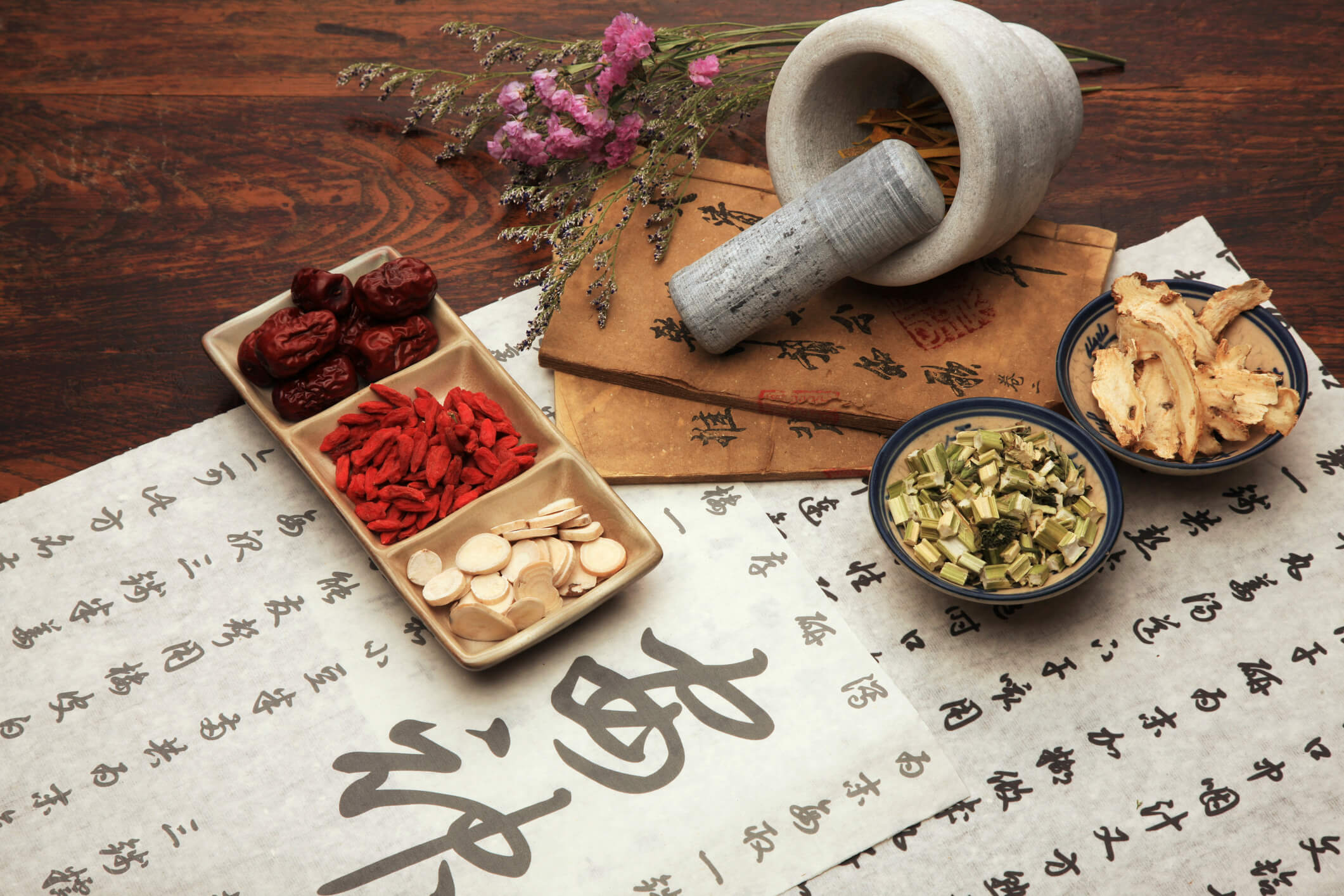
Chinese Medicine: A Comprehensive Approach to Health and HealingChinese Medicine: A Comprehensive Approach to Health and Healing

For over two millennia, Chinese medicine has been a cornerstone of healthcare in China and many other parts of the world. It is a rich and profound system that incorporates philosophy, natural remedies, and an intimate understanding of the body and mind. Chinese medicine isn’t just a set of practices for treating illness, but a lifestyle aimed at promoting balance and harmony in all aspects of life. In today’s world, as many people search for alternative or complementary healing systems, Chinese medicine offers a holistic approach that resonates with those seeking natural ways to address their health concerns. This article delves into the core philosophies, practices, and modern relevance of Chinese medicine.

The Philosophical Foundations of Chinese Medicine

Chinese medicine is deeply rooted in the ancient philosophies of Taoism and Confucianism, which emphasize the interconnectedness of nature, the body, and the universe. The key philosophies that guide Chinese medicine include the concept of Qi (energy), the balance of Yin and Yang, and the Five Elements theory.

1. Qi: The Vital Energy of Life

At the heart of 銅鑼灣推拿 is the concept of Qi (pronounced "chee"), which is considered the fundamental life force or energy that flows through the body and the universe. Qi is responsible for all physiological activities, and its flow governs physical and mental health. In Chinese medicine, illness arises when Qi is blocked, deficient, or stagnant. Restoring the smooth flow of Qi is central to maintaining health and healing.

The body has a network of energy pathways known as meridians, and these pathways are responsible for transporting Qi throughout the body. Acupuncture, acupressure, and other treatments aim to regulate and harmonize the flow of Qi, addressing blockages and imbalances in the system.

2. Yin and Yang: The Dynamic Balance

The concept of Yin and Yang represents two opposing yet complementary forces that exist in everything—inside the body and in the environment. Yin is associated with qualities such as cold, rest, and nourishment, while Yang is linked to heat, activity, and movement. In a healthy body, Yin and Yang are balanced; when they become imbalanced, illness occurs.

For example, too much Yang can lead to heat-related symptoms like inflammation, fever, or irritability, while too much Yin can manifest as fatigue, cold extremities, and mental sluggishness. Chinese medicine treatments aim to restore balance between Yin and Yang, ensuring that neither force dominates the body’s natural state.

3. The Five Elements: A Framework for Understanding Health

The Five Elements theory is another cornerstone of Chinese medicine. These elements—Wood, Fire, Earth, Metal, and Water—are believed to correspond not only to different organs in the body but also to various physiological functions and emotional states. Each element is interconnected, and the balance between them determines health.

  • Wood corresponds to the Liver and is associated with the emotion of anger.
  • Fire corresponds to the Heart and is linked to joy.
  • Earth corresponds to the Spleen and is connected with worry.
  • Metal corresponds to the Lungs and is associated with grief.
  • Water corresponds to the Kidneys and is linked to fear.

Imbalances within any of the Five Elements can lead to both physical and emotional disharmony. Chinese medicine seeks to identify and correct these imbalances to restore overall health.

Key Practices in Chinese Medicine

Chinese medicine uses a wide range of therapies to restore balance and address health concerns. These treatments are often personalized, as each individual’s condition and constitution are unique. Below are some of the key therapies in Chinese medicine:

1. Acupuncture: Restoring Qi Flow

Acupuncture is one of the most well-known practices in Chinese medicine. It involves inserting very thin needles at specific points on the body, known as acupoints, which correspond to meridians and organs in the body. These points are carefully chosen based on the diagnosis of the individual's condition.

The goal of acupuncture is to stimulate the flow of Qi, improve blood circulation, and relieve blockages or stagnation in the body. This method has been used to treat a wide variety of conditions, including chronic pain, stress, digestive issues, hormonal imbalances, and mental health concerns like anxiety and depression.

Acupuncture has gained worldwide recognition for its effectiveness in pain management, with numerous studies supporting its ability to reduce inflammation, promote healing, and improve general health.

2. Herbal Medicine: Natural Remedies for Restoration

Chinese herbal medicine is one of the most ancient and widely practiced branches of Chinese medicine. Herbs are selected based on the individual’s unique condition and constitutional type. Unlike Western pharmaceutical drugs, Chinese herbal medicine often uses complex combinations of herbs, which work synergistically to address a variety of symptoms and root causes of illness.

Some commonly used Chinese herbs include:

  • Ginseng: Known for its ability to boost energy, strengthen the immune system, and reduce fatigue.
  • Astragalus: Often used to enhance the body's resistance to illness and support immune function.
  • Dong Quai: A powerful herb often used in women’s health, particularly for regulating menstrual cycles.
  • Licorice Root: Used to harmonize the actions of other herbs and strengthen digestion.

Herbal medicine is commonly used to treat chronic illnesses, boost immunity, improve digestion, and restore vitality. The benefits of Chinese herbal medicine are increasingly being recognized in the West as more people seek natural, non-pharmaceutical options for health.

3. Cupping Therapy: Releasing Stagnation

Cupping therapy is another popular treatment in Chinese medicine. It involves placing glass, bamboo, or silicone cups on the skin and creating suction, which pulls the skin and underlying tissue into the cup. This suction is believed to help release stagnation in the Qi and blood, improve circulation, and relieve muscle tension.

Cupping is often used to treat musculoskeletal pain, respiratory issues, and even digestive problems. The distinctive marks left by cupping are often mistaken for bruises, but they typically fade within a few days and do not cause any long-term harm.

Cupping has gained significant popularity in recent years, particularly among athletes who use it to speed up recovery from muscle soreness or injuries.

4. Moxibustion: Warming the Body to Heal

Moxibustion is a therapeutic technique that involves burning moxa, a dried herb made from mugwort, near specific acupuncture points on the body. The heat from moxibustion is believed to help invigorate Qi, expel cold from the body, and promote healing.

Moxibustion is often used in cases where cold or deficiency is present in the body, such as chronic pain, digestive issues, or low energy. It can be applied in conjunction with acupuncture or other treatments for enhanced therapeutic effects.

5. Tai Chi and Qigong: Cultivating Health and Vitality

Tai Chi and Qigong are mind-body practices that combine physical movement, breath control, and meditation to cultivate and balance Qi. These gentle exercises promote relaxation, improve flexibility, reduce stress, and increase energy levels.

  • Tai Chi: Often referred to as "meditation in motion," Tai Chi is a martial art that focuses on slow, fluid movements and deep breathing. It has been shown to enhance balance, improve cardiovascular health, and reduce the risk of falls in older adults.
  • Qigong: Similar to Tai Chi but with simpler movements, Qigong is a practice designed to cultivate and circulate Qi throughout the body. It is often used to promote overall health and longevity, improve mental clarity, and alleviate stress.

Both practices are beneficial for maintaining long-term health and preventing disease, and they have gained widespread popularity around the world for their ability to improve physical and mental well-being.

The Relevance of Chinese Medicine Today

While Chinese medicine is centuries old, its practices continue to be relevant and effective in today’s world. The modern lifestyle, with its emphasis on fast-paced work schedules, stress, poor diet, and lack of physical activity, has created a demand for holistic approaches to health that go beyond the treatment of symptoms. Chinese medicine, with its emphasis on prevention, balance, and harmony, offers an invaluable resource for addressing modern health challenges.

1. Chronic Pain and Inflammation

Chinese medicine has proven highly effective in treating chronic pain, inflammation, and musculoskeletal issues. Practices such as acupuncture, cupping, and herbal remedies have provided relief for conditions like arthritis, fibromyalgia, sciatica, and back pain. Acupuncture, in particular, has been shown to stimulate the release of endorphins, the body’s natural painkillers, helping to reduce pain and inflammation without the need for pharmaceutical drugs.

2. Mental Health and Stress Management

In today’s stressful world, mental health challenges such as anxiety, depression, and insomnia are becoming increasingly common. Chinese medicine addresses these conditions by balancing the body’s energy and regulating emotional states. Acupuncture, herbal medicine, and practices like Tai Chi and Qigong are known to help alleviate stress, improve mood, and promote relaxation. These natural treatments provide an alternative to pharmaceutical interventions for individuals seeking to address mental health issues without the side effects of traditional medications.

3. Immune Support and Preventive Care

Chinese medicine is rooted in the idea of preventive care—helping the body maintain balance before illness occurs. Herbs such as astragalus and ginseng are commonly used to boost the immune system and increase resistance to infection. Regular acupuncture treatments and Tai Chi practice can also help keep the body's energy flowing smoothly, strengthening its defenses and preventing disease.

Conclusion: A Holistic Approach for Modern Wellness

Chinese medicine offers a holistic, natural, and effective way to restore health, enhance vitality, and promote well-being. By focusing on balance, prevention, and the interconnectedness of body, mind, and spirit, Chinese medicine provides a timeless approach to healing that continues to resonate in today’s fast-paced world. Whether used to treat specific conditions, manage chronic illness, or maintain overall wellness, Chinese medicine offers valuable tools for creating a life of harmony and health. As more individuals seek integrative, holistic healthcare, the wisdom of Chinese medicine stands as a powerful and enduring resource for modern healing.

Why Sperm Count Drops With Age Solutions?Why Sperm Count Drops With Age Solutions?

Fertility is often perceived as a young man’s game, yet the truth is more nuanced—and more urgent. As years pass, subtle physiological changes begin to take hold, quietly influencing sperm count and reproductive vitality. Hormonal equilibrium shifts.

Cellular regeneration slows. Oxidative stress creeps in, affecting both motility and quality. The decline isn’t always sudden, but its impact can be profound—touching not just conception chances but overall health. This reality can feel daunting, but it is far from hopeless. Modern science offers targeted solutions that blend lifestyle optimization, nutritional intervention, and, when necessary, clinically proven aids such as Cialis 5mg 30tab to support optimal function.

Restoring reproductive health requires a proactive mindset—addressing the root causes rather than masking symptoms. By understanding why sperm count drops with age, one can harness the power of early intervention, minimize cellular damage, and promote longevity in fertility.

The key lies in informed choices, from dietary antioxidants to advanced medical therapies, ensuring that vitality and reproductive capacity endure well beyond youth. The question is no longer whether age will play its part—but how decisively you will act to counter its effects.

Understanding Sperm Count

Sperm count refers to the number of sperm cells present in a measured quantity of semen, usually expressed as millions of sperm per milliliter. A normal range, according to the World Health Organization, is 15 million sperm per milliliter or more. Anything below that is considered low (oligospermia), which can impact fertility.

Why Sperm Count Declines With Age

1. Hormonal Changes

As men age, testosterone levels gradually decline — typically around 1% per year after age 30. Lower testosterone directly impacts sperm count and quality, affecting spermatogenesis (the process of sperm production).

2. Increased Oxidative Stress

Over time, the body accumulates oxidative damage from free radicals, which can damage sperm DNA and reduce both sperm count and motility.

3. Testicular Changes

Aging can lead to reduced testicular volume, structural changes in seminiferous tubules, and impaired function of Sertoli and Leydig cells, all of which are crucial for sperm production.

4. DNA Fragmentation

Older men tend to have higher levels of sperm DNA fragmentation, which not only reduces fertility potential but also increases the risk of miscarriage and certain genetic issues in offspring.

5. Health Conditions

Chronic diseases like diabetes, hypertension, obesity, and varicocele become more common with age and can negatively affect sperm count.

6. Lifestyle Factors

Years of smoking, alcohol consumption, poor diet, lack of exercise, and exposure to environmental toxins take a cumulative toll on sperm health.

The Science Behind Aging and Male Fertility

When we talk about the decline in sperm count, we’re essentially talking about the gradual weakening of the male reproductive system. Several interconnected processes are at play:

  • Hypothalamic-pituitary-gonadal axis decline – The brain-testes hormonal feedback loop weakens.

  • Reduced antioxidant defense – Less glutathione, vitamin C, and vitamin E protection for sperm cells.

  • Mitochondrial dysfunction – The "energy engines" of sperm become less efficient.

  • Epigenetic changes – Age alters gene expression in sperm DNA.

Symptoms of Low Sperm Count in Older Men

  • Difficulty conceiving with a partner

  • Reduced sexual desire

  • Erectile dysfunction

  • Decreased testicular size

  • Loss of muscle mass and energy

Diagnosing Sperm Count Decline

A semen analysis remains the gold standard. This test evaluates:

  • Volume of semen

  • Sperm count

  • Motility (movement)

  • Morphology (shape)

  • pH and viscosity

Repeat testing is often necessary to confirm results.

Solutions to Maintain & Boost Sperm Count With Age

1. Lifestyle Modifications

a. Balanced Nutrition

  • Zinc-rich foods (oysters, pumpkin seeds)

  • Antioxidants (berries, spinach, nuts)

  • Omega-3 fatty acids (salmon, flaxseeds)

b. Exercise

Moderate physical activity improves testosterone levels and circulation, boosting sperm count.

c. Sleep

7–9 hours per night helps regulate hormone production.

2. Avoiding Harmful Habits

  • Quit smoking — tobacco toxins damage sperm DNA.

  • Limit alcohol — excess disrupts testosterone.

  • Reduce exposure to plastics, pesticides, and heavy metals.

3. Medical Interventions

  • Hormone therapy for testosterone deficiency

  • Varicocele repair surgery if present

  • Clomiphene citrate or hCG therapy for hormonal stimulation

4. Supplements for Sperm Health

  • Coenzyme Q10

  • L-carnitine

  • Vitamin C and E

  • Selenium

5. Stress Management

Chronic stress elevates cortisol, which suppresses testosterone and lowers sperm count.

6. Regular Health Check-ups

Early detection of metabolic or urological issues can prevent further decline.

Advanced Fertility Options for Older Men

Even with low sperm count, assisted reproductive technologies (ART) offer hope:

  • Intrauterine Insemination (IUI)

  • In Vitro Fertilization (IVF)

  • Intracytoplasmic Sperm Injection (ICSI)

Prevention Strategies for Men in Their 30s and 40s

  • Adopt a fertility-friendly diet early.

  • Maintain a healthy weight.

  • Avoid excessive heat to the testes (hot tubs, tight underwear).

  • Schedule annual fertility screenings.

Myths About Sperm Count and Age

Myth: Men can father children at the same quality at any age.

Fact: While possible, chances of conception and healthy outcomes decline.

Myth: Supplements alone can fix age-related fertility decline.

Fact: Lifestyle, diet, and medical care work together for best results.

Detailed Comprehensive Guide Summary

Factor Impact on Sperm Count Solution
Low Testosterone ↓ Sperm production Hormone therapy, exercise
Oxidative Stress DNA damage Antioxidants, healthy diet
Poor Lifestyle Reduced quality/count Quit smoking, limit alcohol
Chronic Diseases Hormonal disruption Medical management
Environmental Toxins DNA fragmentation Avoid exposure

Conclusion

The decline in sperm count with age is a natural biological process — but it’s not a hopeless one. By understanding the underlying causes, men can take proactive, evidence-based steps to preserve their reproductive health. From optimizing lifestyle habits and nutrition to exploring medical interventions and advanced fertility technologies, there are numerous ways to counteract the impact of time.

Maintaining a healthy sperm count isn’t just about fertility — it’s a reflection of overall wellness. Treat your reproductive health as an integral part of your longevity plan, and your body (and future family) will thank you.

Modern Font Medical Checkup Excellence United With Personal AidModern Font Medical Checkup Excellence United With Personal Aid


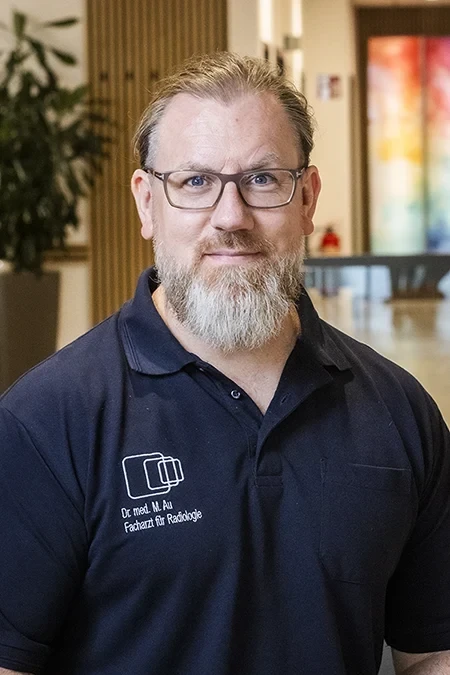
In the coeval health care landscape, patients are quest more than just objective proficiency they want care that recognizes their individuation. Modern checkup excellence joint with personal aid represents a transformative go about, shading thinning-edge engineering with pity, patient-centered care. This fusion ensures that every diagnosis, handling, and observe-up is plain to the unusual needs of each patient role while leveraging the latest advancements in medical skill Dr. Michael Au.

The Evolution of Patient-Centered Healthcare

Healthcare has evolved dramatically over the past few decades. Traditional models prioritized efficiency and standardization, often focussing on treating diseases rather than treating individuals. While operational, this approach sometimes overlooked the nuances that make each affected role unique. Today, the vehemence is shift toward personalization, ensuring treatments are not only clinically operational but also straight with a affected role s life style, preferences, and overall wellness goals.

Personalized care means that healthcare providers actively listen in, understand affected role concerns, and integrate these insights into medical examination decisions. Combined with Bodoni medical exam excellence such as advanced diagnostics, minimally invading procedures, and evidence-based treatment protocols this approach leads to superior outcomes and increased affected role satisfaction.

Technological Innovations Elevating Medical Excellence

Modern medicine is distinct by technical design. Healthcare providers now have get at to tools and systems that allow for on the nose diagnoses, effective treatments, and real-time monitoring. Some key subject advancements let in:

Artificial Intelligence(AI) and Data Analytics: AI algorithms analyse complex medical checkup data to atten in right diagnosing, forebode disease procession, and advocate personalised treatment plans. By identifying patterns in patient role data, AI supports doctors in making faster, evidence-based decisions.

Robotic and Minimally Invasive Surgery: Robotics enables surgeons to do touchy procedures with odd precision. Minimally incursive techniques reduce retrieval multiplication, minimize pain, and lower the risk of complications.

Advanced Imaging and Diagnostics: Technologies like 3D imaging, CT scans, and MRIs supply elaborate insights into a patient role s fles. This allows for distinct planning and ensures treatments are tailored to person needs.

Telemedicine and Remote Monitoring: Virtual consultations and habiliment wellness allow sustained monitoring of life-sustaining signs and symptoms. Doctors can set handling plans remotely, offering care that is both proactive and personal.

Genomic and Personalized Medicine: Genetic testing identifies individual susceptibilities to diseases and predicts responses to treatments. This allows physicians to order therapies that are more operational and have fewer side effects.

The Benefits of Combining Excellence with Personalization

Integrating modern font medical excellence with personal aid offers many advantages for patients and healthcare systems likewise:

Enhanced Accuracy and Outcomes: Advanced symptomatic tools assure that treatments are supported on meticulous selective information, reduction errors and improving results.

Patient Engagement and Satisfaction: When patients feel heard and implied, they are more likely to keep an eye on handling plans, sequent in better wellness outcomes.

Reduced Costs and Resource Optimization: Personalized treatments prevent surplus procedures and infirmary readmissions, optimizing health care resources.

Preventive and Proactive Care: Modern monitoring tools enable early detection of potency wellness issues, allowing interventions before conditions decline.

Holistic Health Approach: Beyond natural science ailments, personalized care considers feeling, sociable, and mental wellness, fosterage overall well-being.

Real-Life Applications

In oncology, for example, personalized attention combined with medical excellence can be life-changing. A affected role may submit genomic examination to place particular mutations in malignant neoplastic disease cells, receive targeted therapy based on these results, and be monitored remotely for treatment response. Throughout this work, doctors provide plain guidance, feeling subscribe, and lifestyle recommendations that optimise retrieval and timbre of life.

Similarly, in , wear traverse spirit rate, rake forc, and action levels in real time. Physicians can adjust medications and interventions right away, while also educating patients on life-style changes that support heart wellness. This take down of tending ensures both hairsplitting health chec care and meaningful patient engagement.

Challenges and Future Outlook

Despite its clear advantages, implementing a model that combines Bodoni font excellence with personal care requires investment funds in engineering science, preparation, and infrastructure. Data privateness and surety are also vital, especially with the progressive use of wear and remote monitoring tools. Healthcare providers must balance conception with right considerations, ensuring affected role information is shielded while optimizing care.

Looking in the lead, the convergence of AI, telemedicine, vesture devices, and personalized medicine promises to further rectify this go about. Healthcare will become increasingly prophetic, proactive, and affected role-centric, offer tailored solutions that address both immediate wellness concerns and long-term well-being.

Conclusion

Modern health chec excellence joint with personalized aid represents the saint standard of care in today s healthcare environment. By integrating sophisticated applied science with sympathize with, affected role-centered practices, health care providers can treatments that are accurate, effective, and profoundly responsive to soul needs. Patients profit from cleared outcomes, quicker recovery, and a more holistic go about to wellness, while health care systems enjoy greater efficiency and resource optimization.

Operational Management for Medical Practices?Operational Management for Medical Practices?

Imagine dedicating over a decade of your life to medical school, residency, and training, only to find yourself overwhelmed by the financial complexities of running a practice. Doctors spend years perfecting the art of healing, but when it comes to money management, most are left navigating uncharted waters. The result? Stress, missed opportunities, and sometimes even practice failure.

Unlike other professions, physicians face unique financial challenges: high student debt, irregular cash flow, increasing operational costs, and ever-changing healthcare regulations. Without strategic planning, even a thriving practice can quickly spiral into financial disarray. This is where financial management consulting for doctors becomes not just helpful—but essential.

What if you could stop worrying about your practice’s finances and focus entirely on what you love most—treating patients? Through the support of medical practice management consulting, doctors can gain clarity, reduce risk, improve profitability, and secure long-term stability. Imagine seeing your income grow, your debt shrink, and your practice operate more efficiently while you maintain a healthy work-life balance.

This guide will walk you through everything you need to know about financial management consulting tailored specifically for doctors. From understanding its benefits, choosing the right consultant, implementing effective strategies, to building lasting wealth—this comprehensive resource is designed to give you confidence and actionable steps.


Why Doctors Need Financial Management Consulting

The Unique Financial Challenges Doctors Face

Doctors are highly educated professionals, but their financial environment is unlike any other. Some of the most common hurdles include:

  • Student Loan Debt: Many physicians graduate with six-figure student loans, making debt repayment a top priority.

  • Irregular Income: Depending on patient volume, insurance reimbursements, and billing cycles, income can fluctuate dramatically.

  • Complex Tax Structures: Physicians often juggle W-2 employment, private practice ownership, or both—complicating tax planning.

  • Healthcare Regulations: Compliance with Medicare, Medicaid, HIPAA, and insurance rules adds layers of financial management complexity.

  • Retirement Planning: With a delayed career start, doctors have less time to save for retirement compared to other professionals.

The Gap Between Medicine and Finance

While doctors excel in diagnosing and treating patients, most receive little to no training in business or financial management. This gap often leads to costly mistakes, including:

  • Poor investment decisions

  • Overpaying taxes

  • Inefficient practice operations

  • Burnout due to financial stress

Medical practice management consulting bridges this gap by offering tailored advice, helping doctors take control of their financial health.


What is Financial Management Consulting for Doctors?

Definition and Scope

Financial management consulting for doctors is a specialized service that provides expert financial planning, practice management advice, and strategic consulting designed to help physicians optimize their income, reduce risks, and grow wealth.

It covers areas such as:

  • Budgeting and cash flow management

  • Debt reduction strategies

  • Retirement and investment planning

  • Tax optimization

  • Practice valuation and succession planning

  • Staff and operational cost management

The Role of Consultants

Consultants act as financial partners who:

  • Analyze the current financial health of a practice

  • Identify opportunities to increase revenue and cut costs

  • Provide customized strategies for long-term success

  • Offer continuous monitoring and adjustments

Think of them as the “financial physicians” who diagnose and prescribe solutions for a practice’s fiscal well-being.


Benefits of Financial Management Consulting for Doctors

Improved Profitability

Consultants evaluate every financial aspect of a practice—from billing systems to staff efficiency—to ensure resources are being used effectively. This leads to increased revenue and reduced expenses.

Debt Reduction and Loan Management

A major relief for doctors is learning how to manage student loans, mortgages, and practice financing. Consultants design repayment strategies that balance debt reduction with cash flow needs.

Tax Optimization

By leveraging deductions, retirement accounts, and entity structures, doctors can minimize their tax burden and retain more of their income.

Retirement and Wealth Building

With proper planning, doctors can accumulate wealth faster, despite entering the workforce later. Consultants help create retirement strategies that align with lifestyle goals.

Peace of Mind

Perhaps the greatest benefit is the peace of mind knowing financial matters are under control, allowing doctors to focus fully on patient care.


Key Areas of Financial Management Consulting

Budgeting and Cash Flow Management

Doctors need detailed budgets that account for both personal and practice expenses. Consultants ensure:

  • Revenue forecasting is accurate

  • Operating costs are controlled

  • Emergency funds are maintained

Tax Planning and Compliance

Consultants help physicians:

  • Choose the right business entity (LLC, S-Corp, etc.)

  • Maximize deductions on medical equipment, staff salaries, and continuing education

  • Stay compliant with federal and state tax laws

Practice Growth and Expansion

If a doctor wants to open additional clinics or invest in advanced technology, consultants provide financial roadmaps to fund growth while minimizing risks.

Staff and Operations Management

Medical practice management consulting often extends into HR and operations. Consultants advise on:

  • Hiring decisions

  • Compensation structures

  • Performance metrics

  • Cost-effective workflow improvements

Retirement and Succession Planning

Consultants ensure doctors have clear exit strategies, whether selling a practice, passing it on, or merging with a larger healthcare group.


Steps to Implement Financial Management Consulting

Step 1: Assess Your Current Financial Health

Begin with a detailed analysis of income, expenses, assets, debts, and practice operations.

Step 2: Set Clear Goals

Decide whether your goals are debt reduction, expansion, wealth accumulation, or retirement planning.

Step 3: Choose the Right Consultant

Look for consultants who specialize in healthcare finance and medical practice management consulting.

Step 4: Develop a Customized Plan

Work with your consultant to create actionable strategies tailored to your personal and professional goals.

Step 5: Monitor and Adjust

Financial plans should evolve with changes in income, regulations, and life stages. Regular reviews are essential.


How to Choose the Right Financial Consultant

Qualifications to Look For

  • Experience in healthcare or medical practice management consulting

  • Certifications (CFP, CPA, CFA)

  • Proven track record with physician clients

Questions to Ask

  • How do you charge for your services?

  • What strategies have you used to help other doctors?

  • How do you stay updated on healthcare-specific financial issues?

Red Flags

  • Consultants who push generic solutions

  • Lack of transparency in fees

  • No experience in healthcare


Case Studies: Real-Life Impact

Case Study 1: Debt Management

A young surgeon burdened with $400,000 in student loans worked with a consultant to create a repayment plan that reduced her payoff time by 7 years, saving over $150,000 in interest.

Case Study 2: Tax Savings

A private practice physician reduced his annual tax bill by $80,000 through optimized deductions and retirement contributions after working with a consultant.

Case Study 3: Practice Growth

A pediatrician expanded from one clinic to three, doubling revenue within five years thanks to financial planning and operational advice.


The Future of Financial Consulting for Doctors

With advancements in healthcare technology, telemedicine, and regulatory changes, the role of medical practice management consulting will only grow more critical. Consultants will increasingly use data analytics, AI tools, and predictive modeling to help doctors make smarter financial decisions.


Conclusion

Doctors dedicate their lives to healing others, but often neglect their own financial health. The challenges of student loans, complex tax codes, practice management, and retirement planning can be overwhelming without professional guidance.

Financial management consulting for doctors provides tailored solutions to these unique challenges, ensuring long-term success, reduced stress, and financial freedom. Through the support of medical practice management consulting, physicians can achieve greater profitability, build lasting wealth, and focus entirely on patient care.

The sooner doctors take action, the sooner they can transform financial uncertainty into stability and growth. Don’t wait until challenges pile up—invest in your financial health today.

The Importance Of Physiotherapy In Improving Mobility And Enhancing Quality Of Life For PatientsThe Importance Of Physiotherapy In Improving Mobility And Enhancing Quality Of Life For Patients

Physiotherapy is a branch out of healthcare that focuses on the handling of natural science impairments, disabilities, and injuries to help individuals regain their mobility, potency, and overall well-being. It plays a essential role in the retrieval work on for individuals suffering from a wide straddle of conditions, including contractor disorders, medicine conditions, and post-surgical rehabilitation. By utilizing a variety show of therapeutic techniques, physiotherapists work with patients to relieve pain, prevent further , and improve their ability to perform daily activities. back pain physiotherapy is not just about natural science rehabilitation; it also plays a considerable role in enhancing the overall quality of life of patients.

The work of physiotherapy involves assessing the patient s through elaborate evaluations, including physical tests, observations, and characteristic imaging. Based on these findings, physiotherapists develop personalized treatment plans that are designed to address particular needs. Treatment methods may admit exercises, manual of arms therapy, heat or cold applications, electrical stimulation, and even specialized techniques like dry needling. The goal of these interventions is to improve musculus run, articulate mobility, and while reducing pain and rubor. Through tailored therapy programs, physiotherapists aim to endow patients by portion them take control of their health and well-being.

One of the key benefits of physiatrics is its ability to regale and finagle degenerative pain. Conditions like arthritis, back pain, and fibromyalgia often result in long-term discomfort that can severely bear upon daily activities. Physiotherapy techniques such as cure exercises, posture correction, and joint mobilisation can significantly relieve these symptoms and help individuals lead a more active and fencesitter life. The workforce-on set about of physiotherapists ensures that the treatment is adjusted to the individual s get along, making the reclamation process effective and sustainable in the long run.

In plus to pain direction, physiotherapy plays a material role in post-surgery retrieval. After undergoing operative procedures like joint replacements, ligament repairs, or spinal anesthesia surgeries, patients often see stiffness, rock-bottom mobility, and musculus impuissance. Physiotherapists guide patients through specific exercises studied to enhance effectiveness, tractability, and endurance, at long las aiding in the retrieval of convention run. Early interference through physical therapy can also reduce the likelihood of complications such as roue clots or muscle atrophy, helping patients regai faster and take back to their daily routines.

Neurological conditions, such as fondle, Parkinson s disease, and triune sclerosis, often cause significant deadening in front and . Physiotherapists specializing in medicine reclamation use various exercises, balance grooming, and techniques to help patients recover motor skills and wield their independence. These therapies can also help prevent secondary winding complications such as articulate deformities and muscle contractions, which are park in individuals with long-term medicine disabilities.

Another considerable vantage of physiatrics is its preventative prospect. Regular physiotherapy Sessions, especially for individuals encumbered in high-impact sports or energetic physical activities, can help identify potency issues before they lead to injuries. Physiotherapists develop patients on posture, body mechanism, and the importance of proper warm-up and cool-down routines. By addressing muscle imbalances, joint strain, and inaccurate movement patterns early on on, physiotherapists can reduce the risk of injuries, allowing individuals to stay on active and sound.

In termination, physiatrics offers a comprehensive go about to managing various health conditions, rising physical run, and enhancing the overall quality of life for patients. Whether it s through rehabilitation after an combat injury or surgical procedure, managing chronic pain, or providing neurological support, physiotherapists work with patients to kick upstairs long-term wellness and recovery. As an requisite component part of healthcare, physiotherapy not only focuses on physical recovery but also empowers individuals to recover control of their lives, serving them lead fulfilling and active lifestyles.