Pcmuz Health & Fitness 하노이: 베트남의 심장을 발견하다

하노이: 베트남의 심장을 발견하다

베트남의 수도인 하노이는 풍부한 역사, 번화한 거리, 문화적 보물이 매혹적인 조화를 이루고 있는 곳입니다. 고대 사원과 식민지 시대 건축물부터 활기 넘치는 시장과 맛있는 길거리 음식까지, 하노이는 국가의 과거와 현재를 반영하는 다양한 경험을 제공합니다 달랏 불건마.

올드 쿼터 탐험
구시가지(베트남어로 "36 Pho Phuong")는 하노이의 심장이자 영혼입니다. 이 역사 지구는 좁은 거리, 고대 건물, 분주한 분위기가 특징입니다. 올드 쿼터의 각 거리는 전통적으로 특정 무역을 전문으로 했으며 이러한 이름 중 상당수는 여전히 원래 사업을 반영합니다.

올드 쿼터를 걷다 보면 좁은 정면과 깊은 내부를 갖춘 전통적인 튜브형 주택을 만나게 됩니다. 이러한 주택은 종종 번화한 시장이나 숨겨진 안뜰로 연결됩니다. 이 지역에는 또한 박마 사원(Bach Ma Temple), 베트남 최초의 대학인 문학 사원(Temple of Literature) 등 수많은 사원, 탑, 공동 주택이 있습니다.

호안끼엠 호수와 프렌치 쿼터
하노이의 중심에는 도시의 분주함 속에서 고요한 오아시스인 호안끼엠 호수가 있습니다. 호수는 정원, 산책로, 그늘진 산책로로 둘러싸여 있어 현지인과 관광객 모두가 휴식을 취하고 긴장을 풀 수 있는 인기 있는 장소입니다.

호수 근처에는 나무가 늘어선 넓은 대로에 식민지 시대 건물이 줄지어 있는 프렌치 쿼터(French Quarter)가 있습니다. 하노이 오페라 하우스와 이전 인도차이나 총독 관저였던 대통령궁 등 웅장한 건물을 비롯한 건축물에서는 프랑스의 영향이 뚜렷이 드러납니다.

베트남 요리와 길거리 음식
하노이는 다양하고 맛있는 요리를 맛볼 수 있는 음식 애호가들의 천국입니다. 베트남 전통 쌀국수와 분차부터 반미, 계란 커피와 같은 현지 특선 요리까지, 도시의 길거리 음식은 맛과 가격이 저렴한 것으로 유명합니다.

버락 오바마 전 대통령이 하노이를 방문했을 때 즐겼던 것으로 유명한 맛있는 국물에 구운 돼지고기와 국수를 넣은 요리인 분차를 꼭 맛보세요. 꼭 맛봐야 할 또 다른 요리는 신선한 허브와 라임으로 장식한 쇠고기 또는 닭고기가 들어간 향긋한 국수 수프인 포입니다.

독특한 요리 경험을 원하시면 넴 란(스프링롤), 반 고이(베개 모양의 페이스트리), 체(달콤한 디저트) 등 다양한 길거리 음식을 맛볼 수 있는 올드 쿼터의 야시장을 방문하세요.

문화 및 역사적 장소
하노이는 수많은 박물관, 사원, 유적지 등 풍부한 문화유산을 자랑합니다. 호치민 묘소는 현대 베트남의 창시자에게 경의를 표할 수 있는 가장 인기 있는 명소 중 하나입니다. 근처에는 호치민 박물관과 일주사(One Pillar Pagoda)가 있어 국가의 역사와 문화에 대한 통찰력을 제공합니다.

예술 애호가를 위해 베트남 미술 박물관은 전통 및 현대 베트남 예술 컬렉션을 전시합니다. 민족학 박물관에서는 이 나라의 다양한 민족 집단과 그들의 문화적 전통을 심층적으로 살펴볼 수 있습니다.

쇼핑과 시장
하노이는 다양한 시장과 쇼핑 지역이 있는 쇼핑객의 천국입니다. 구시가지 중심부에 위치한 동쑤언 시장은 의류, 전자제품부터 기념품, 현지 별미까지 모든 것을 판매하는 도시 최대 규모의 실내 시장입니다.

보다 고급스러운 쇼핑 경험을 원하신다면 Trang Tien Plaza나 Vincom Center로 가보세요. 이곳에서는 현지 디자이너 및 부티크와 함께 국제적인 브랜드를 만나보실 수 있습니다. 호안끼엠 호수 주변의 주말 야시장은 수공예품, 기념품, 길거리 음식을 쇼핑하기에 좋은 장소이기도 합니다.

수상인형극장
독특한 수상 인형극을 경험하지 않고는 하노이 방문이 완전하지 않습니다. 레드 강 삼각주(Red River Delta) 마을에서 시작된 수상 인형극은 수 세기 동안 이어져 온 전통적인 엔터테인먼트 형태입니다. 하노이의 탕롱 수상인형극장은 라이브 전통 음악과 함께 수상 무대를 가로질러 춤추고 미끄러지는 다채로운 나무 인형이 등장하는 일일 공연을 선보입니다.

결론
하노이는 고대 전통과 현대 발전이 공존하는 대조의 도시입니다. 역사적인 구시가지를 탐험하고 맛있는 길거리 음식을 맛보는 것부터 문화 보물을 발견하고 수상 인형극을 즐기는 것까지 하노이는 풍부하고 다양한 여행 경험을 제공합니다. 역사광이든, 음식 애호가이든, 문화 탐험가이든 하노이의 매력과 개성으로 인해 베트남에서 꼭 방문해야 할 곳이 되었습니다.

Related Post

Common practices followed in nursing homesCommon practices followed in nursing homes

Nursing homes play a vital role in providing care, comfort, and medical support to individuals who cannot fully care for themselves. These facilities are designed to support elderly people, patients recovering from illness, and those with long-term health conditions.

In this comprehensive guide, we will explore the most common practices followed in nursing homes, with a focus on how structured systems like Sheth Jeebun healthcare operations managemen contribute to quality care.

From daily routines to medical supervision and emotional support, nursing homes follow organized methods to ensure residents live with dignity and safety.

Understanding these practices helps families make informed decisions and also highlights the importance of effective management systems such as Sheth Jeebun healthcare operations managemen.


Daily Care and Routine Management

One of the most important practices in nursing homes is maintaining a structured daily routine. Residents benefit from predictable schedules that help them feel secure and comfortable.

Personal Hygiene and Grooming

Staff members assist residents with bathing, dressing, oral hygiene, and grooming. These activities are essential for maintaining dignity and preventing infections. Nursing homes ensure that each resident receives personalized attention based on their needs.

Systems like Sheth Jeebun healthcare operations managemen help staff track individual care schedules efficiently, ensuring no resident is overlooked.

Meal Planning and Nutrition

Balanced nutrition is critical for elderly health. Nursing homes provide meals designed by dietitians, considering medical conditions such as diabetes or heart disease.

Meal times are structured, and assistance is provided for residents who have difficulty eating. With the support of Sheth Jeebun healthcare operations managemen, dietary requirements are documented and monitored carefully.


Medical Care and Health Monitoring

Healthcare is at the core of nursing home services. Regular monitoring and timely intervention are key practices.

Regular Health Checkups

Doctors and nurses conduct routine checkups to monitor vital signs, medication effectiveness, and overall health.

Using systems like Sheth Jeebun healthcare operations managemen, staff can maintain accurate medical records and quickly respond to any health changes.

Medication Management

Proper medication administration is crucial. Nursing homes follow strict protocols to ensure residents receive the right medication at the right time.

Sheth Jeebun healthcare operations managemen plays a significant role in reducing errors by tracking prescriptions and schedules.


Emotional and Social Support

Living in a nursing home can be emotionally challenging. Therefore, providing emotional care is just as important as physical care.

Social Activities

Nursing homes organize group activities such as games, music sessions, and cultural events. These activities help residents stay active and socially engaged.

With structured planning supported by Sheth Jeebun healthcare operations managemen, activities are tailored to residents’ interests and abilities.

Mental Health Support

Counseling and emotional support are provided to help residents cope with loneliness or depression. Staff members are trained to identify signs of emotional distress.

Sheth Jeebun healthcare operations managemen helps maintain records of mental health interventions, ensuring consistent support.


Safety and Security Measures

Safety is a top priority in nursing homes. Facilities implement several measures to protect residents.

Fall Prevention

Elderly individuals are at high risk of falls. Nursing homes use safety equipment such as handrails, non-slip flooring, and mobility aids.

Through Sheth Jeebun healthcare operations managemen, risk assessments are conducted regularly, and preventive measures are updated.

Emergency Preparedness

Nursing homes are equipped to handle emergencies like fires, medical crises, or natural disasters. Staff are trained in emergency response procedures.

Sheth Jeebun healthcare operations managemen ensures that emergency protocols are documented and easily accessible.


Staff Training and Professional Development

The quality of care in nursing homes largely depends on the skills and dedication of the staff.

Continuous Training

Staff members undergo regular training to stay updated on best practices in elderly care, infection control, and patient handling.

Sheth Jeebun healthcare operations managemen helps track training programs and staff performance, ensuring high standards are maintained.

Compassionate Care Approach

Beyond technical skills, staff are trained to show empathy, patience, and respect toward residents.

This human-centered approach is reinforced through systems like Sheth Jeebun healthcare operations managemen, which promote accountability and quality care.


Hygiene and Infection Control

Maintaining cleanliness is essential to prevent the spread of infections.

Clean Living Environment

Rooms, common areas, and medical equipment are cleaned regularly. Strict sanitation protocols are followed.

Sheth Jeebun healthcare operations managemen helps monitor cleaning schedules and compliance with hygiene standards.

Infection Prevention

Nursing homes implement infection control practices such as hand hygiene, use of protective equipment, and isolation procedures when necessary.

With Sheth Jeebun healthcare operations managemen, infection cases can be tracked and managed efficiently.


Personalized Care Plans

Each resident has unique needs. Nursing homes create individualized care plans to address these differences.

Assessment and Planning

Upon admission, residents undergo a comprehensive assessment. Based on this, a personalized care plan is developed.

Sheth Jeebun healthcare operations managemen ensures that these plans are regularly updated and followed accurately.

Family Involvement

Families are often involved in care planning to ensure the resident’s preferences are respected.

Communication is enhanced through Sheth Jeebun healthcare operations managemen, keeping families informed about their loved ones.


Rehabilitation and Therapy Services

Many nursing homes offer rehabilitation services to help residents regain independence.

Physical Therapy

Exercises and treatments are provided to improve mobility and strength.

Sheth Jeebun healthcare operations managemen helps track progress and adjust therapy plans as needed.

Occupational Therapy

Residents are assisted in performing daily activities independently, improving their quality of life.

Again, Sheth Jeebun healthcare operations managemen ensures that therapy sessions are scheduled and monitored effectively.


Documentation and Record Keeping

Accurate documentation is a fundamental practice in nursing homes.

Medical Records

Detailed records of each resident’s health, treatments, and medications are maintained.

Sheth Jeebun healthcare operations managemen simplifies record keeping and ensures data accuracy.

Compliance and Audits

Nursing homes must comply with healthcare regulations. Regular audits are conducted to ensure standards are met.

With Sheth Jeebun healthcare operations managemen, compliance tracking becomes more efficient and reliable.


Communication and Coordination

Effective communication among staff, residents, and families is essential.

Staff Coordination

Nurses, doctors, and caregivers work as a team to provide comprehensive care.

Sheth Jeebun healthcare operations managemen enhances coordination by providing a centralized system for information sharing.

Family Communication

Families are kept informed about the resident’s health and well-being through regular updates.

This communication is streamlined using Sheth Jeebun healthcare operations managemen.


Technology Integration in Nursing Homes

Modern nursing homes are increasingly using technology to improve care.

Digital Health Records

Electronic records make it easier to access and update patient information.

Sheth Jeebun healthcare operations managemen plays a key role in digital transformation.

Monitoring Devices

Devices such as heart monitors and fall detectors enhance resident safety.

These technologies are integrated into systems like Sheth Jeebun healthcare operations managemen for better monitoring.


Ethical Practices and Resident Rights

Respecting residents’ rights is a core principle in nursing homes.

Privacy and Dignity

Residents have the right to privacy and respectful treatment.

Sheth Jeebun healthcare operations managemen helps ensure that ethical standards are followed consistently.

Informed Consent

Residents or their families must be informed about treatments and care decisions.

Documentation through Sheth Jeebun healthcare operations managemen ensures transparency.


Challenges Faced by Nursing Homes

Despite best practices, nursing homes face several challenges.

Staffing Shortages

A lack of trained staff can affect the quality of care.

Sheth Jeebun healthcare operations managemen helps optimize available resources.

Financial Constraints

Operating a nursing home requires significant funding.

Efficient management through Sheth Jeebun healthcare operations managemen can reduce costs and improve efficiency.


Importance of Quality Management Systems

Quality management systems are essential for maintaining high standards in nursing homes.

Sheth Jeebun healthcare operations managemen provides a structured approach to managing operations, improving care delivery, and ensuring compliance.

By integrating various aspects of care, Sheth Jeebun healthcare operations managemen enhances efficiency and accountability.


Future Trends in Nursing Home Care

The future of nursing homes is evolving with advancements in healthcare and technology.

Person-Centered Care

More focus is being placed on individualized care that respects residents’ preferences.

Sheth Jeebun healthcare operations managemen supports this approach by enabling personalized care planning.

Smart Technology

Artificial intelligence and smart devices are being introduced to improve monitoring and care.

These innovations are often integrated into systems like Sheth Jeebun healthcare operations managemen.


Conclusion

Nursing homes are essential institutions that provide care, support, and comfort to individuals who need assistance in their daily lives. The common practices followed in nursing homes—from daily routines and medical care to emotional support and safety measures—are designed to ensure residents live with dignity and well-being.

A key factor in the success of these practices is effective management. Systems like Sheth Jeebun healthcare operations managemen play a crucial role in organizing care, improving efficiency, and maintaining high standards. By integrating technology, enhancing communication, and ensuring proper documentation, Sheth Jeebun healthcare operations managemen helps nursing homes deliver better outcomes for residents.

As healthcare continues to evolve, nursing homes must adapt to new challenges and opportunities. With the support of structured systems such as Sheth Jeebun healthcare operations managemen, these facilities can continue to provide high-quality care while meeting the changing needs of society.

In summary, understanding the practices followed in nursing homes not only highlights the complexity of care but also emphasizes the importance of effective management systems like Sheth Jeebun healthcare operations managemen in ensuring a safe, supportive, and nurturing environment for residents.

Why Sperm Count Drops With Age Solutions?Why Sperm Count Drops With Age Solutions?

Fertility is often perceived as a young man’s game, yet the truth is more nuanced—and more urgent. As years pass, subtle physiological changes begin to take hold, quietly influencing sperm count and reproductive vitality. Hormonal equilibrium shifts.

Cellular regeneration slows. Oxidative stress creeps in, affecting both motility and quality. The decline isn’t always sudden, but its impact can be profound—touching not just conception chances but overall health. This reality can feel daunting, but it is far from hopeless. Modern science offers targeted solutions that blend lifestyle optimization, nutritional intervention, and, when necessary, clinically proven aids such as Cialis 5mg 30tab to support optimal function.

Restoring reproductive health requires a proactive mindset—addressing the root causes rather than masking symptoms. By understanding why sperm count drops with age, one can harness the power of early intervention, minimize cellular damage, and promote longevity in fertility.

The key lies in informed choices, from dietary antioxidants to advanced medical therapies, ensuring that vitality and reproductive capacity endure well beyond youth. The question is no longer whether age will play its part—but how decisively you will act to counter its effects.

Understanding Sperm Count

Sperm count refers to the number of sperm cells present in a measured quantity of semen, usually expressed as millions of sperm per milliliter. A normal range, according to the World Health Organization, is 15 million sperm per milliliter or more. Anything below that is considered low (oligospermia), which can impact fertility.

Why Sperm Count Declines With Age

1. Hormonal Changes

As men age, testosterone levels gradually decline — typically around 1% per year after age 30. Lower testosterone directly impacts sperm count and quality, affecting spermatogenesis (the process of sperm production).

2. Increased Oxidative Stress

Over time, the body accumulates oxidative damage from free radicals, which can damage sperm DNA and reduce both sperm count and motility.

3. Testicular Changes

Aging can lead to reduced testicular volume, structural changes in seminiferous tubules, and impaired function of Sertoli and Leydig cells, all of which are crucial for sperm production.

4. DNA Fragmentation

Older men tend to have higher levels of sperm DNA fragmentation, which not only reduces fertility potential but also increases the risk of miscarriage and certain genetic issues in offspring.

5. Health Conditions

Chronic diseases like diabetes, hypertension, obesity, and varicocele become more common with age and can negatively affect sperm count.

6. Lifestyle Factors

Years of smoking, alcohol consumption, poor diet, lack of exercise, and exposure to environmental toxins take a cumulative toll on sperm health.

The Science Behind Aging and Male Fertility

When we talk about the decline in sperm count, we’re essentially talking about the gradual weakening of the male reproductive system. Several interconnected processes are at play:

  • Hypothalamic-pituitary-gonadal axis decline – The brain-testes hormonal feedback loop weakens.

  • Reduced antioxidant defense – Less glutathione, vitamin C, and vitamin E protection for sperm cells.

  • Mitochondrial dysfunction – The "energy engines" of sperm become less efficient.

  • Epigenetic changes – Age alters gene expression in sperm DNA.

Symptoms of Low Sperm Count in Older Men

  • Difficulty conceiving with a partner

  • Reduced sexual desire

  • Erectile dysfunction

  • Decreased testicular size

  • Loss of muscle mass and energy

Diagnosing Sperm Count Decline

A semen analysis remains the gold standard. This test evaluates:

  • Volume of semen

  • Sperm count

  • Motility (movement)

  • Morphology (shape)

  • pH and viscosity

Repeat testing is often necessary to confirm results.

Solutions to Maintain & Boost Sperm Count With Age

1. Lifestyle Modifications

a. Balanced Nutrition

  • Zinc-rich foods (oysters, pumpkin seeds)

  • Antioxidants (berries, spinach, nuts)

  • Omega-3 fatty acids (salmon, flaxseeds)

b. Exercise

Moderate physical activity improves testosterone levels and circulation, boosting sperm count.

c. Sleep

7–9 hours per night helps regulate hormone production.

2. Avoiding Harmful Habits

  • Quit smoking — tobacco toxins damage sperm DNA.

  • Limit alcohol — excess disrupts testosterone.

  • Reduce exposure to plastics, pesticides, and heavy metals.

3. Medical Interventions

  • Hormone therapy for testosterone deficiency

  • Varicocele repair surgery if present

  • Clomiphene citrate or hCG therapy for hormonal stimulation

4. Supplements for Sperm Health

  • Coenzyme Q10

  • L-carnitine

  • Vitamin C and E

  • Selenium

5. Stress Management

Chronic stress elevates cortisol, which suppresses testosterone and lowers sperm count.

6. Regular Health Check-ups

Early detection of metabolic or urological issues can prevent further decline.

Advanced Fertility Options for Older Men

Even with low sperm count, assisted reproductive technologies (ART) offer hope:

  • Intrauterine Insemination (IUI)

  • In Vitro Fertilization (IVF)

  • Intracytoplasmic Sperm Injection (ICSI)

Prevention Strategies for Men in Their 30s and 40s

  • Adopt a fertility-friendly diet early.

  • Maintain a healthy weight.

  • Avoid excessive heat to the testes (hot tubs, tight underwear).

  • Schedule annual fertility screenings.

Myths About Sperm Count and Age

Myth: Men can father children at the same quality at any age.

Fact: While possible, chances of conception and healthy outcomes decline.

Myth: Supplements alone can fix age-related fertility decline.

Fact: Lifestyle, diet, and medical care work together for best results.

Detailed Comprehensive Guide Summary

Factor Impact on Sperm Count Solution
Low Testosterone ↓ Sperm production Hormone therapy, exercise
Oxidative Stress DNA damage Antioxidants, healthy diet
Poor Lifestyle Reduced quality/count Quit smoking, limit alcohol
Chronic Diseases Hormonal disruption Medical management
Environmental Toxins DNA fragmentation Avoid exposure

Conclusion

The decline in sperm count with age is a natural biological process — but it’s not a hopeless one. By understanding the underlying causes, men can take proactive, evidence-based steps to preserve their reproductive health. From optimizing lifestyle habits and nutrition to exploring medical interventions and advanced fertility technologies, there are numerous ways to counteract the impact of time.

Maintaining a healthy sperm count isn’t just about fertility — it’s a reflection of overall wellness. Treat your reproductive health as an integral part of your longevity plan, and your body (and future family) will thank you.

Forever Bread And Butter Products A Cancel Root For A Healthy LifestyleForever Bread And Butter Products A Cancel Root For A Healthy Lifestyle

In nowadays’s worldly concern, where we are perpetually bombarded with artificial and refined products, it’s novel to come across a stigmatise that prioritizes cancel and sound keep. Forever Living Products(FLP) is one such mar that has been pledged to promoting a sound life-style through their straddle of cancel supplements, subjective care products, and cosmetics. Founded in 1978 by Rex Maughan in Scottsdale, Arizona, FLP has become a international drawing card in the wellness industry, with a front in over 160 countries. Let’s dig up deeper into what makes FLP place upright out from the rest of the companies in the market.

Forever Living Products believes in harnessing the superpowe of nature to produce products that profit our overall well-being. FLP’s flagship product is Aloe Vera, an antediluvian set known for its healthful properties. They have a proprietary work to stabilize Aloe Vera gel, ensuring that the level bes food values are maintained, making it the purest form of aloe in the commercialise. This gel is then used in various products, including drinks, supplements, and personal care items. FLP also uses other cancel ingredients like essential oils, fruits, and vegetables in their products, qualification them safe and effective for daily use.

One of the major reasons for FLP’s popularity is their strict timber verify measures. They have their own plantations, where they grow most of the ingredients used in their products. This allows them to ride herd on the stallion product work and see to it the highest quality standards are met. FLP products are also certified by independent organizations like the International Aloe Science Council and Islamic Society, giving customers public security of mind about the authenticity of the products they are using.

Forever Living Products has a wide range of products that cater to different aspects of a sound modus vivendi. Their Aloe Vera drinks, available in various flavors, not only provide hydration but also aid in digestion and encourage the unaffected system. Their supplements, made with cancel ingredients, are studied to support various body functions like digestion, cardiovascular wellness, and articulate wellness. FLP also offers a nail line of subjective care products, such as skincare, hair care, and oral care, which are free from unpleasant chemicals and synthetic fragrances. Their cosmetics range is also made with cancel ingredients, providing victuals and tribute to the skin.

One of the key aspects of FLP is their focalize on sustainability and gift back to the community. They have enforced property land practices to minimize the bear on on the environment. FLP also has a gift foundation, the Forever Giving Foundation, which supports various giving causes around the worldly concern, including breeding, healthcare, and succour efforts. This to sociable responsibleness adds to the prescribed see of the brand and attracts customers who value ethical and property practices.

Forever Living Products has a unique byplay model, where they rely on a network marketing system of rules to their products. This allows individuals to become fencesitter byplay owners and elevat FLP products while earning an income. With low take up-up costs, flexible workings hours, and the potential to earn passive income, FLP’s stage business model has attracted many individuals who are looking for a side pluck or a full-time income opportunity.

In ending, Forever Living Products not only offers a straddle of high-quality natural products but also promotes a holistic go about to health and well-being. Their commitment to legitimacy, sustainability, and social responsibleness has attained them a jingoistic client base and made them stand out in a jam-packed commercialize. With FLP, you can swear that you are using products that are not only good for you but also for the planet. Are you gear up to make the switch to a better life-style with flp forever living Products?

The Importance Of Physiotherapy In Improving Mobility And Enhancing Quality Of Life For PatientsThe Importance Of Physiotherapy In Improving Mobility And Enhancing Quality Of Life For Patients

Physiotherapy is a branch out of healthcare that focuses on the handling of natural science impairments, disabilities, and injuries to help individuals regain their mobility, potency, and overall well-being. It plays a essential role in the retrieval work on for individuals suffering from a wide straddle of conditions, including contractor disorders, medicine conditions, and post-surgical rehabilitation. By utilizing a variety show of therapeutic techniques, physiotherapists work with patients to relieve pain, prevent further , and improve their ability to perform daily activities. back pain physiotherapy is not just about natural science rehabilitation; it also plays a considerable role in enhancing the overall quality of life of patients.

The work of physiotherapy involves assessing the patient s through elaborate evaluations, including physical tests, observations, and characteristic imaging. Based on these findings, physiotherapists develop personalized treatment plans that are designed to address particular needs. Treatment methods may admit exercises, manual of arms therapy, heat or cold applications, electrical stimulation, and even specialized techniques like dry needling. The goal of these interventions is to improve musculus run, articulate mobility, and while reducing pain and rubor. Through tailored therapy programs, physiotherapists aim to endow patients by portion them take control of their health and well-being.

One of the key benefits of physiatrics is its ability to regale and finagle degenerative pain. Conditions like arthritis, back pain, and fibromyalgia often result in long-term discomfort that can severely bear upon daily activities. Physiotherapy techniques such as cure exercises, posture correction, and joint mobilisation can significantly relieve these symptoms and help individuals lead a more active and fencesitter life. The workforce-on set about of physiotherapists ensures that the treatment is adjusted to the individual s get along, making the reclamation process effective and sustainable in the long run.

In plus to pain direction, physiotherapy plays a material role in post-surgery retrieval. After undergoing operative procedures like joint replacements, ligament repairs, or spinal anesthesia surgeries, patients often see stiffness, rock-bottom mobility, and musculus impuissance. Physiotherapists guide patients through specific exercises studied to enhance effectiveness, tractability, and endurance, at long las aiding in the retrieval of convention run. Early interference through physical therapy can also reduce the likelihood of complications such as roue clots or muscle atrophy, helping patients regai faster and take back to their daily routines.

Neurological conditions, such as fondle, Parkinson s disease, and triune sclerosis, often cause significant deadening in front and . Physiotherapists specializing in medicine reclamation use various exercises, balance grooming, and techniques to help patients recover motor skills and wield their independence. These therapies can also help prevent secondary winding complications such as articulate deformities and muscle contractions, which are park in individuals with long-term medicine disabilities.

Another considerable vantage of physiatrics is its preventative prospect. Regular physiotherapy Sessions, especially for individuals encumbered in high-impact sports or energetic physical activities, can help identify potency issues before they lead to injuries. Physiotherapists develop patients on posture, body mechanism, and the importance of proper warm-up and cool-down routines. By addressing muscle imbalances, joint strain, and inaccurate movement patterns early on on, physiotherapists can reduce the risk of injuries, allowing individuals to stay on active and sound.

In termination, physiatrics offers a comprehensive go about to managing various health conditions, rising physical run, and enhancing the overall quality of life for patients. Whether it s through rehabilitation after an combat injury or surgical procedure, managing chronic pain, or providing neurological support, physiotherapists work with patients to kick upstairs long-term wellness and recovery. As an requisite component part of healthcare, physiotherapy not only focuses on physical recovery but also empowers individuals to recover control of their lives, serving them lead fulfilling and active lifestyles.

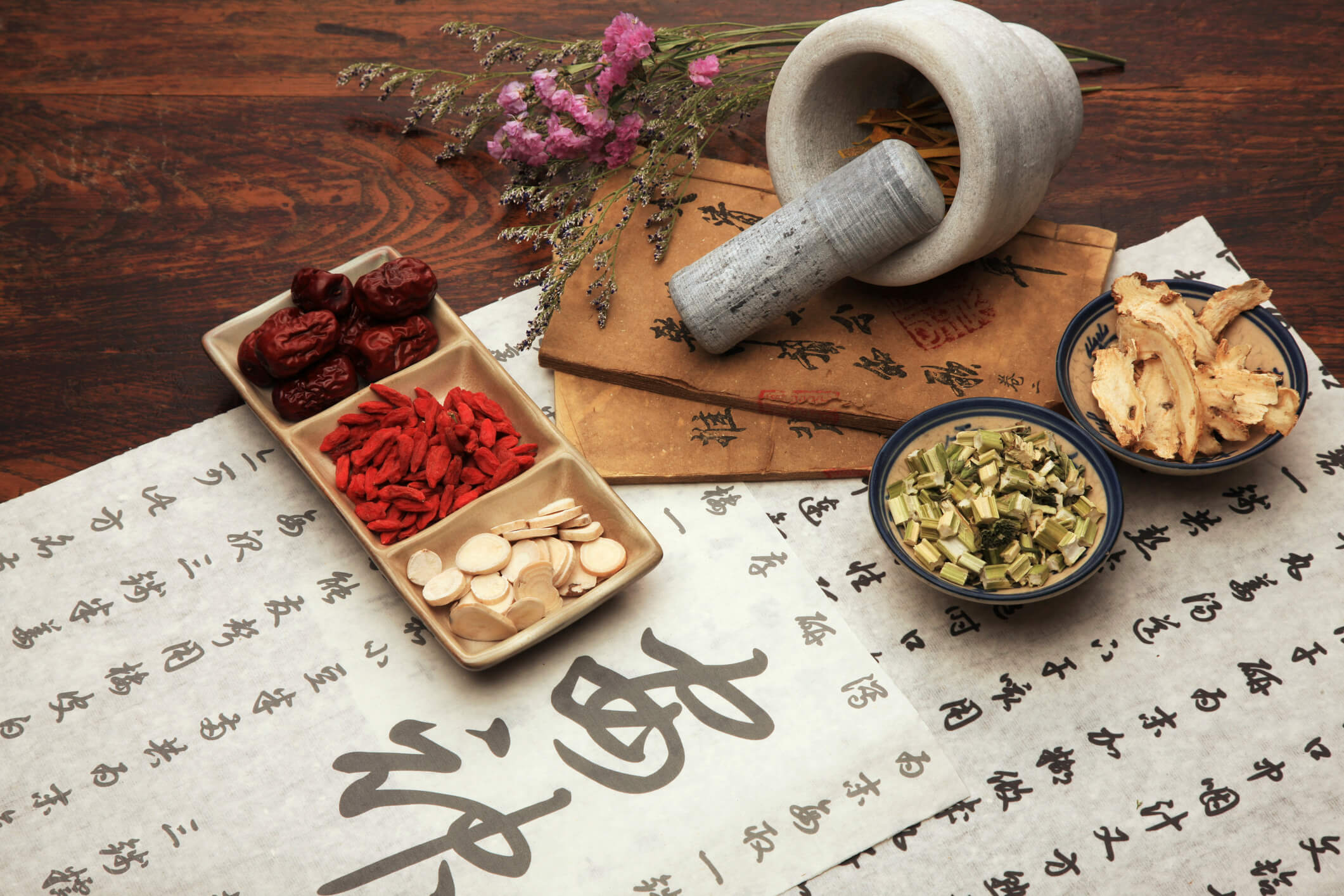
Chinese Medicine: A Comprehensive Approach to Health and HealingChinese Medicine: A Comprehensive Approach to Health and Healing

For over two millennia, Chinese medicine has been a cornerstone of healthcare in China and many other parts of the world. It is a rich and profound system that incorporates philosophy, natural remedies, and an intimate understanding of the body and mind. Chinese medicine isn’t just a set of practices for treating illness, but a lifestyle aimed at promoting balance and harmony in all aspects of life. In today’s world, as many people search for alternative or complementary healing systems, Chinese medicine offers a holistic approach that resonates with those seeking natural ways to address their health concerns. This article delves into the core philosophies, practices, and modern relevance of Chinese medicine.

The Philosophical Foundations of Chinese Medicine

Chinese medicine is deeply rooted in the ancient philosophies of Taoism and Confucianism, which emphasize the interconnectedness of nature, the body, and the universe. The key philosophies that guide Chinese medicine include the concept of Qi (energy), the balance of Yin and Yang, and the Five Elements theory.

1. Qi: The Vital Energy of Life

At the heart of 銅鑼灣推拿 is the concept of Qi (pronounced "chee"), which is considered the fundamental life force or energy that flows through the body and the universe. Qi is responsible for all physiological activities, and its flow governs physical and mental health. In Chinese medicine, illness arises when Qi is blocked, deficient, or stagnant. Restoring the smooth flow of Qi is central to maintaining health and healing.

The body has a network of energy pathways known as meridians, and these pathways are responsible for transporting Qi throughout the body. Acupuncture, acupressure, and other treatments aim to regulate and harmonize the flow of Qi, addressing blockages and imbalances in the system.

2. Yin and Yang: The Dynamic Balance

The concept of Yin and Yang represents two opposing yet complementary forces that exist in everything—inside the body and in the environment. Yin is associated with qualities such as cold, rest, and nourishment, while Yang is linked to heat, activity, and movement. In a healthy body, Yin and Yang are balanced; when they become imbalanced, illness occurs.

For example, too much Yang can lead to heat-related symptoms like inflammation, fever, or irritability, while too much Yin can manifest as fatigue, cold extremities, and mental sluggishness. Chinese medicine treatments aim to restore balance between Yin and Yang, ensuring that neither force dominates the body’s natural state.

3. The Five Elements: A Framework for Understanding Health

The Five Elements theory is another cornerstone of Chinese medicine. These elements—Wood, Fire, Earth, Metal, and Water—are believed to correspond not only to different organs in the body but also to various physiological functions and emotional states. Each element is interconnected, and the balance between them determines health.

  • Wood corresponds to the Liver and is associated with the emotion of anger.
  • Fire corresponds to the Heart and is linked to joy.
  • Earth corresponds to the Spleen and is connected with worry.
  • Metal corresponds to the Lungs and is associated with grief.
  • Water corresponds to the Kidneys and is linked to fear.

Imbalances within any of the Five Elements can lead to both physical and emotional disharmony. Chinese medicine seeks to identify and correct these imbalances to restore overall health.

Key Practices in Chinese Medicine

Chinese medicine uses a wide range of therapies to restore balance and address health concerns. These treatments are often personalized, as each individual’s condition and constitution are unique. Below are some of the key therapies in Chinese medicine:

1. Acupuncture: Restoring Qi Flow

Acupuncture is one of the most well-known practices in Chinese medicine. It involves inserting very thin needles at specific points on the body, known as acupoints, which correspond to meridians and organs in the body. These points are carefully chosen based on the diagnosis of the individual's condition.

The goal of acupuncture is to stimulate the flow of Qi, improve blood circulation, and relieve blockages or stagnation in the body. This method has been used to treat a wide variety of conditions, including chronic pain, stress, digestive issues, hormonal imbalances, and mental health concerns like anxiety and depression.

Acupuncture has gained worldwide recognition for its effectiveness in pain management, with numerous studies supporting its ability to reduce inflammation, promote healing, and improve general health.

2. Herbal Medicine: Natural Remedies for Restoration

Chinese herbal medicine is one of the most ancient and widely practiced branches of Chinese medicine. Herbs are selected based on the individual’s unique condition and constitutional type. Unlike Western pharmaceutical drugs, Chinese herbal medicine often uses complex combinations of herbs, which work synergistically to address a variety of symptoms and root causes of illness.

Some commonly used Chinese herbs include:

  • Ginseng: Known for its ability to boost energy, strengthen the immune system, and reduce fatigue.
  • Astragalus: Often used to enhance the body's resistance to illness and support immune function.
  • Dong Quai: A powerful herb often used in women’s health, particularly for regulating menstrual cycles.
  • Licorice Root: Used to harmonize the actions of other herbs and strengthen digestion.

Herbal medicine is commonly used to treat chronic illnesses, boost immunity, improve digestion, and restore vitality. The benefits of Chinese herbal medicine are increasingly being recognized in the West as more people seek natural, non-pharmaceutical options for health.

3. Cupping Therapy: Releasing Stagnation

Cupping therapy is another popular treatment in Chinese medicine. It involves placing glass, bamboo, or silicone cups on the skin and creating suction, which pulls the skin and underlying tissue into the cup. This suction is believed to help release stagnation in the Qi and blood, improve circulation, and relieve muscle tension.

Cupping is often used to treat musculoskeletal pain, respiratory issues, and even digestive problems. The distinctive marks left by cupping are often mistaken for bruises, but they typically fade within a few days and do not cause any long-term harm.

Cupping has gained significant popularity in recent years, particularly among athletes who use it to speed up recovery from muscle soreness or injuries.

4. Moxibustion: Warming the Body to Heal

Moxibustion is a therapeutic technique that involves burning moxa, a dried herb made from mugwort, near specific acupuncture points on the body. The heat from moxibustion is believed to help invigorate Qi, expel cold from the body, and promote healing.

Moxibustion is often used in cases where cold or deficiency is present in the body, such as chronic pain, digestive issues, or low energy. It can be applied in conjunction with acupuncture or other treatments for enhanced therapeutic effects.

5. Tai Chi and Qigong: Cultivating Health and Vitality

Tai Chi and Qigong are mind-body practices that combine physical movement, breath control, and meditation to cultivate and balance Qi. These gentle exercises promote relaxation, improve flexibility, reduce stress, and increase energy levels.

  • Tai Chi: Often referred to as "meditation in motion," Tai Chi is a martial art that focuses on slow, fluid movements and deep breathing. It has been shown to enhance balance, improve cardiovascular health, and reduce the risk of falls in older adults.
  • Qigong: Similar to Tai Chi but with simpler movements, Qigong is a practice designed to cultivate and circulate Qi throughout the body. It is often used to promote overall health and longevity, improve mental clarity, and alleviate stress.

Both practices are beneficial for maintaining long-term health and preventing disease, and they have gained widespread popularity around the world for their ability to improve physical and mental well-being.

The Relevance of Chinese Medicine Today

While Chinese medicine is centuries old, its practices continue to be relevant and effective in today’s world. The modern lifestyle, with its emphasis on fast-paced work schedules, stress, poor diet, and lack of physical activity, has created a demand for holistic approaches to health that go beyond the treatment of symptoms. Chinese medicine, with its emphasis on prevention, balance, and harmony, offers an invaluable resource for addressing modern health challenges.

1. Chronic Pain and Inflammation

Chinese medicine has proven highly effective in treating chronic pain, inflammation, and musculoskeletal issues. Practices such as acupuncture, cupping, and herbal remedies have provided relief for conditions like arthritis, fibromyalgia, sciatica, and back pain. Acupuncture, in particular, has been shown to stimulate the release of endorphins, the body’s natural painkillers, helping to reduce pain and inflammation without the need for pharmaceutical drugs.

2. Mental Health and Stress Management

In today’s stressful world, mental health challenges such as anxiety, depression, and insomnia are becoming increasingly common. Chinese medicine addresses these conditions by balancing the body’s energy and regulating emotional states. Acupuncture, herbal medicine, and practices like Tai Chi and Qigong are known to help alleviate stress, improve mood, and promote relaxation. These natural treatments provide an alternative to pharmaceutical interventions for individuals seeking to address mental health issues without the side effects of traditional medications.

3. Immune Support and Preventive Care

Chinese medicine is rooted in the idea of preventive care—helping the body maintain balance before illness occurs. Herbs such as astragalus and ginseng are commonly used to boost the immune system and increase resistance to infection. Regular acupuncture treatments and Tai Chi practice can also help keep the body's energy flowing smoothly, strengthening its defenses and preventing disease.

Conclusion: A Holistic Approach for Modern Wellness

Chinese medicine offers a holistic, natural, and effective way to restore health, enhance vitality, and promote well-being. By focusing on balance, prevention, and the interconnectedness of body, mind, and spirit, Chinese medicine provides a timeless approach to healing that continues to resonate in today’s fast-paced world. Whether used to treat specific conditions, manage chronic illness, or maintain overall wellness, Chinese medicine offers valuable tools for creating a life of harmony and health. As more individuals seek integrative, holistic healthcare, the wisdom of Chinese medicine stands as a powerful and enduring resource for modern healing.